
Sicily is closer to Africa than it is to Rome, a geographical fact that helps explain its wines. This sun-drenched Mediterranean island is shaped by heat, wind, altitude, and a remarkable range of soils, producing wines that can be ripe and generous yet fresh, structured, and distinctive.
Climate and Soils
Sicily’s Mediterranean climate delivers abundant sunshine, but elevation and exposure play a critical role in moderating ripeness. Inland hills and mountainous areas experience cooler nights, preserving acidity and aromatic clarity even in warm vintages.
A defining feature of Sicilian wines is the prevalence of calcium carbonate–rich soils derived from chalk, gypsum, and limestone. These pale soils reflect heat and retain moisture, helping vines avoid excessive stress while maintaining freshness and balance.
Then there is Mount Etna. Vineyards climb well above 650 metres, rooted in volcanic ash, lava, and basalt. These soils add tension, savoury minerality, and structure, giving Etna wines a profile unlike anything else in Italy.
Indigenous Grape Varieties
Sicily has an exceptional range of native grapes. Key white varieties include Grillo, Catarratto, Inzolia, and Carricante. Among the reds, Nero d’Avola, Nerello Mascalese, Nerello Cappuccio, and Frappato dominate. Increasingly, quality-focused producers are leaning into these indigenous varieties to express place rather than international style.

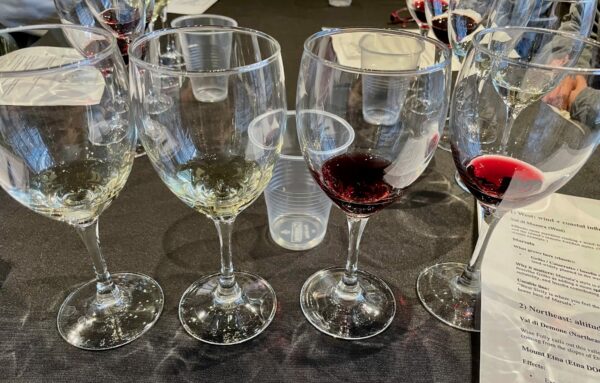
I recently tasted four Sicilian wines at Franco’s (Kelowna), where you get a $5.00 discount coupon when you sign up for one of his weekly tastings.
Wines Tasted at Franco’s
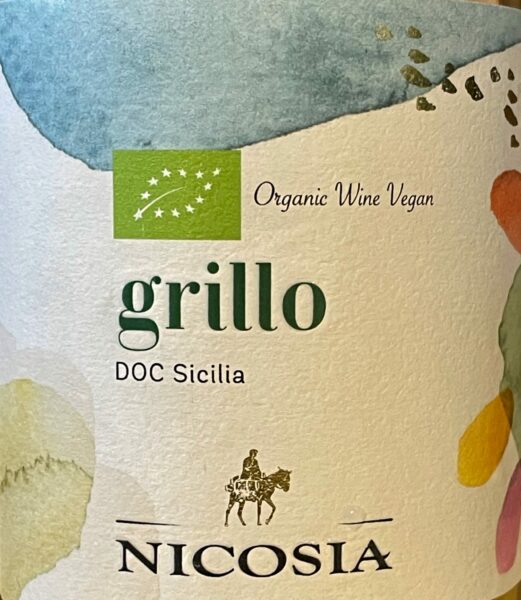
- Cantina Nicosia Grillo 2024
$25.99
Founded in 1898 in Trecastagni on the southeastern slopes of Mount Etna, Cantina Nicosia represents five generations of family winemaking. Today, Carmelo Nicosia and his sons blend modern techniques with a strong respect for Etna’s terroir.
Pale yellow with light intensity. Mineral-driven, with saline notes and fresh lemon. Good balance and fruity on the palate, and a medium-plus finish. A natural match for white fish, scallops, or prawns.
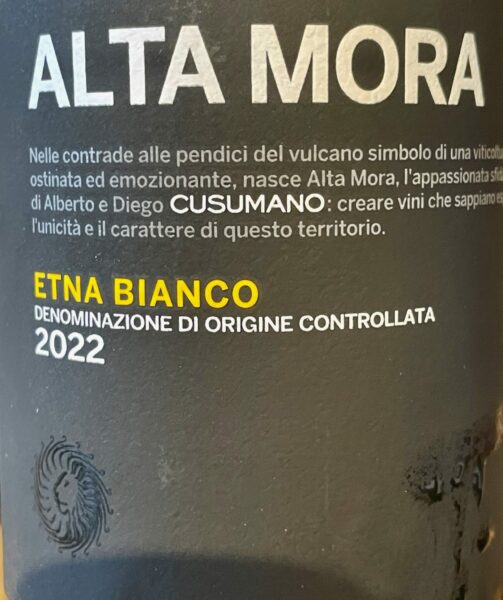
- Cusumano Alta Mora Etna Bianco 2022
$49.99
Lemon yellow with medium-light intensity. Saline and mineral, with pear and a subtle tropical note. Very good balance, flavourful on the palate and a medium-plus finish. The profile recalls Vermentino, but with Etna’s signature tension. Well made.
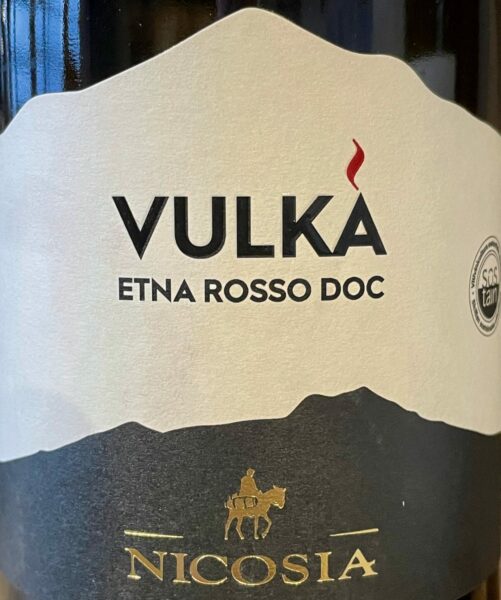
- Cantina Nicosia Etna Rosso 2022
$34.99
Primarily Nerello Mascalese with a smaller portion of Nerello Cappuccio. Ruby red with medium intensity. Aromas of cherry, raspberry, and pomegranate. Bright red fruit on the palate, balanced acidity, and gently drying tannins on the finish.
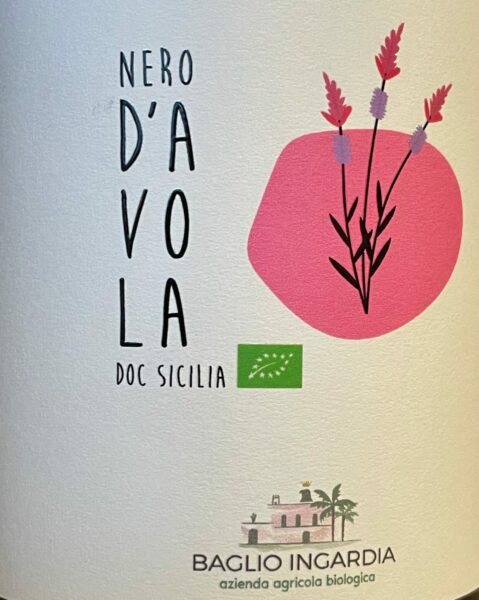
- Baglio Ingardia Nero d’Avola 2024
$34.99
From a small producer. Ruby red with medium intensity. Candied red fruit, cherry, raspberry, and pomegranate, with floral notes, cocoa, and dried herbs. Good balance, with moderate structure and drying tannins.
Serve at 16–18°C with pasta alla Norma, grilled lamb or eggplant, or wood-fired pizza.
Key Sicilian Wine Regions
The West: Sea and Wind
Western Sicily is shaped by coastal influence, steady winds, and a long history of fortified wine production.
Val di Mazara
Maritime cooling and constant airflow favour fresh white wines and historically important fortified styles, most notably Marsala.
Marsala
Traditionally made from Grillo, Catarratto, and Inzolia, Marsala’s character depends on grape selection, ageing, and oxidative handling. Grillo brings spice and salinity, Catarratto provides acidity and structure, and Inzolia adds body and soft nutty notes. While mass-market versions hurt its reputation, high-quality Marsala remains one of Italy’s most distinctive fortified wines.
The Northeast: Altitude and Volcanic Influence
Val di Demone
Often considered Sicily’s most prestigious wine area, this zone includes Mount Etna and its surrounding vineyards. Wines here are defined by freshness, aromatics, and a strong sense of place.
Mount Etna (Etna DOC)
Despite Sicily’s warm climate, Etna’s elevation—exceeding 1,000 metres in some vineyards—keeps wines vibrant and balanced. Volcanic soils lend a savoury, mineral edge.
- Nerello Mascalese, the signature red, produces pale-coloured but structured wines with red fruit, spice, and excellent ageing potential.
- Carricante, Etna’s hallmark white grape, delivers citrus, salinity, and tension, making some of Sicily’s most age-worthy white wines.
The Southeast: Heat, Limestone, and Iconic Reds
Val di Noto
Hot Mediterranean conditions and limestone-clay soils define this region, best known for structured reds based on Nero d’Avola and Frappato. It is also home to Sicily’s only DOCG.
Cerasuolo di Vittoria (DOCG)
Typically blended from 50–70% Nero d’Avola and 30–50% Frappato. Nero d’Avola contributes depth and structure, while Frappato adds perfume and freshness. The wines are balanced, expressive, and notably food-friendly.
Iblei Mountains
These southeastern highlands benefit from elevation and limestone soils, preserving freshness and clarity of fruit even in hot years.
Final Thoughts
Sicily is one of the world’s most compelling wine regions, not just because it is Italy’s largest, but because of its extraordinary diversity. From volcanic slopes and high-altitude vineyards to windswept coastal plains, the island offers a remarkable range of terroirs and styles.
Today’s Sicilian wines reflect a clear shift toward indigenous grapes, thoughtful viticulture, and a renewed focus on balance and place. Whether from Etna’s lava-strewn terraces, the limestone hills of Vittoria, or the western coast, Sicily continues to redefine what this historic island can produce.
(All photos – Sam Hauck)