
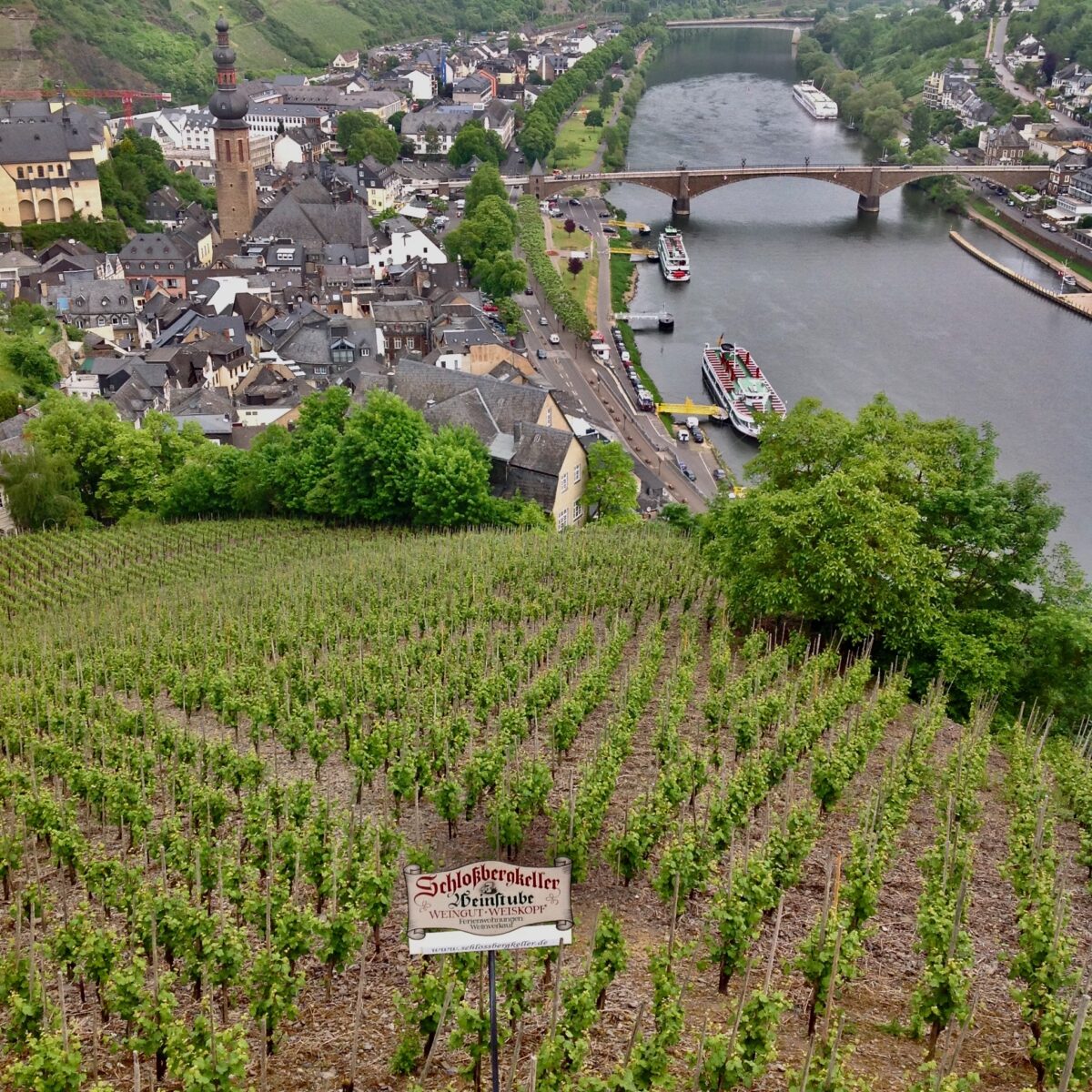
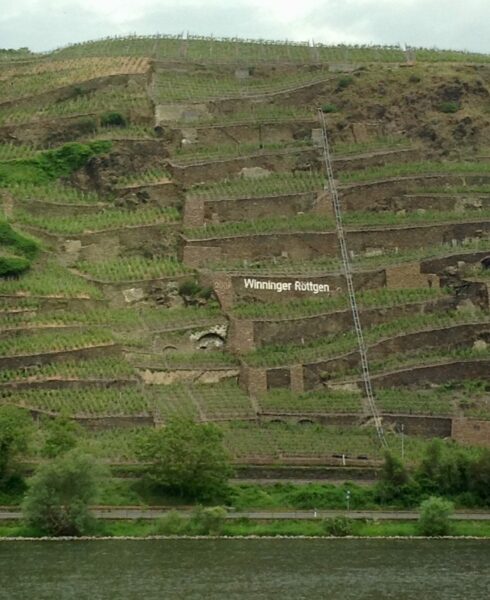
Germany is a cool-climate wine country built on freshness, high acidity, and aromatic clarity. Vineyards often cling to steep river slopes along the Mosel and Rhine, where reflected sunlight aids ripening and cool nights preserve acidity. While Germany sits far north by wine-growing standards, its varied soils and exposures produce wines prized for precision and a strong sense of place. Most production is concentrated in the south-west of the country.
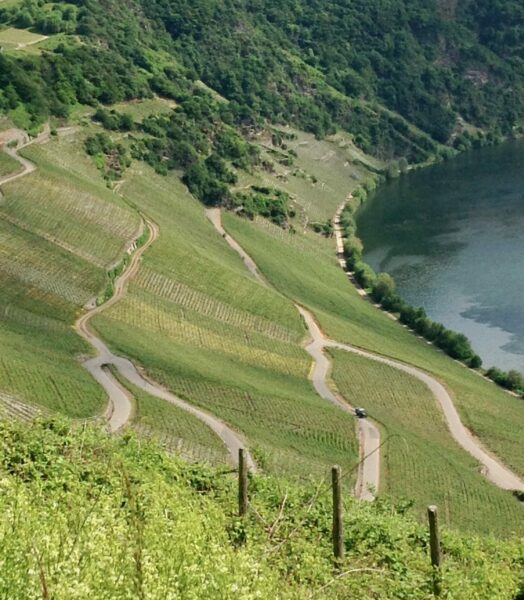
Germany is best known for white wine—particularly Riesling (rhymes with ‘geese’) —but elegant, cool-climate reds now play a growing role. Alcohol levels tend to be moderate, blends are rare, and the focus remains firmly on single-variety wines.
White Wines
White wine accounts for roughly two-thirds of German production.
Key grapes
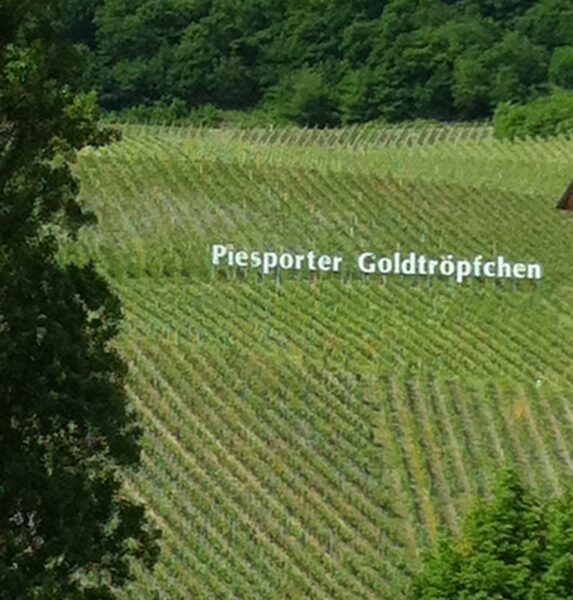
Riesling: Germany’s flagship variety, made in styles ranging from bone-dry to dessert-sweet. High acidity, with flavours of citrus, stone fruit, honeydew, florals, and mineral notes. This high-acid variety displays zesty, juicy flavours of lemon, lime and tart Granny Smith apples when less ripe and richer, warmer flavours such as apricot, pineapple and ginger as it increases in sweetness.
Müller-Thurgau: Lighter and softer, often with floral, peach, rose petal, lemon, and lime, and easy-drinking. light-bodied, aromatic white wine, primarily grown in Germany and Austria, known for its gentle acidity, refreshing, and easy-drinking nature. Often displaying subtle muscat notes, it features delicate fruity flavours of peach, pear, and apple, frequently with hints of floral aromas or spices.
Grauburgunder (Pinot Gris): Dry and fuller-bodied, sometimes with an almost oily texture and citrus, pear, melon, nectarine, honey and nutty tones. In contrast, Italian Pinot Grigio is harvested early to maintain its acidity, resulting in a lighter, crisper wine that emphasizes citrus and green apple flavours.
Weissburgunder (Pinot Blanc): Subtle and elegant, sometimes slightly creamy, with pear, peach, almond and lemon zest. Pinot Blanc is a versatile, crisp, and food-friendly white wine, often considered a lighter alternative to Chardonnay. It is characterized by high acidity, medium body, and delicate aromas of green apple, pear, citrus, and white flowers. Commonly unoaked and fresh, it can also be oaked for a creamier, richer profile. A great match for BC salmon.
Silvaner: Restrained and earthy, with peach, orange blossom, crushed gravel, and particularly associated with Franconia. Silvaner is a versatile, primarily dry, and aromatic white wine known for its food-friendly nature, moderate-to-high acidity, and distinct terroir expression. Originating from Central Europe, it features light-bodied to medium-bodied flavours of green apple, pear, and citrus, frequently complemented by herbal, vegetal, or stony mineral notes
Kerner: Aromatic and fresh, now less common but still relevant, is an aromatic, crisp, and refreshing white wine, often characterized by its light-to-medium body, vibrant acidity, and pronounced fruit-forward profile. A German-born cross between Trollinger and Riesling, it typically features flavours of apple, pear, peach, and citrus, often accompanied by floral (jasmine, elderflower) or tropical (mango) notes, making it a versatile, food-friendly option similar in style to Riesling but with a slightly softer structure and higher alcoholic body.
Despite the persistent myth, most quality German wines today are dry. Sweet styles exist, but they represent a smaller, more specialized part of production.
Red Wines
Red wine has grown steadily in importance, aided by climate warming and more precise vineyard and cellar practices.
Spätburgunder (Pinot Noir) dominates, producing light- to medium-bodied wines with red fruit, savoury notes, and fine tannins. Some can be quite impressive. characterized by a cool-climate style offering elegance, bright acidity, and a mix of fresh red cherries, raspberries, and earthy undertones. Often compared to Burgundy, these wines feature subtle cinnamon/allspice notes, with styles ranging from light and aromatic to structured, oak-aged versions.
Dornfelder appears in simpler, deeply coloured, fruit-forward styles. German reds tend to be more restrained and food-friendly than their New World counterparts. A popular German red grape known for producing deeply colored, fruity, and velvety wines with moderate acidity and soft tannins. Typically, medium-bodied with flavours of dark cherries, blackberries, and plums, it is often made in a dry or off-dry style, though sometimes aged in oak for added structure and complexity
Major Wine Regions

Germany has thirteen official wine regions. The most important include, roughly by size:
- Rheinhessen: The largest region, producing everything from everyday wines to top-tier dry Rieslings and modern Pinot Noir.
- Pfalz: One of the warmest regions, known for fuller-bodied Rieslings and Pinot varieties.
- Baden: Germany’s warmest region, with a strong reputation for Spätburgunder.
- Mosel: Steep slate slopes along the river; famed for delicate, mineral Rieslings.
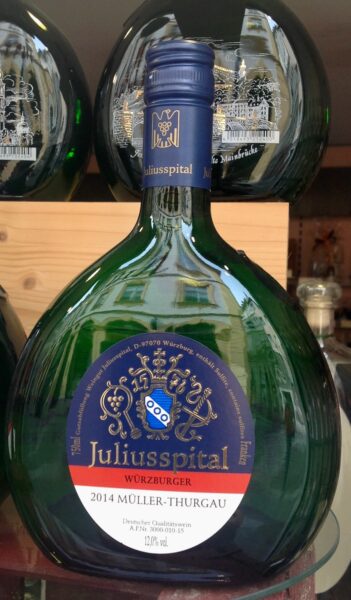
- Franken (Franconia): Known for dry Silvaner and distinctive Bocksbeutel bottles.
- Nahe: Diverse soils, expressive Rieslings.
- Rheingau: Historic, producing structured, age-worthy Rieslings and top Pinot Noir.
- Württemberg: Important domestically, particularly for red wines.
Germany is also a European leader in organic and biodynamic viticulture.
Useful Terms to Know
- VDP: A quality-focused producers’ association. Top dry wines from elite sites are labelled GG (Grosses Gewächs).
- Trocken: Dry
- Halbtrocken / Feinherb: Off-dry
- Kabinett / Spätlese / Auslese: Increasing ripeness at harvest (not necessarily sweetness)
- Beerenauslese / Trockenbeerenauslese: Intensely sweet, yet balanced, botrytis-affected dessert wines. Absolutely delicious!
In Short
German wines are defined by elegance, acidity, and terroir expression. Riesling remains the global benchmark, while Pinot Noir is quietly establishing Germany as a serious red wine producer. These are wines that pair effortlessly with food, age gracefully, and consistently overdeliver on value.
Wines Tasted
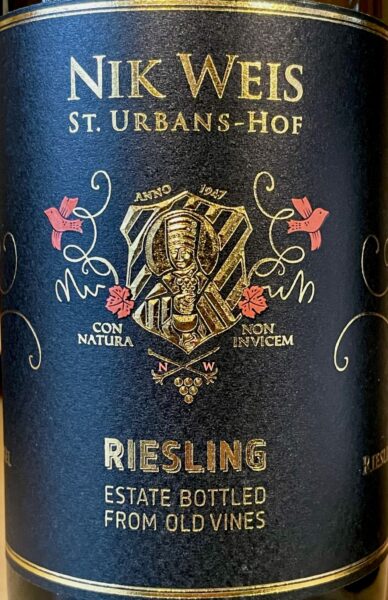
Nik Weis – St. Urbans-Hof Riesling 2024
Mosel
$32.99
A benchmark Mosel estate and VDP member farming steep river slopes along the Mosel and Saar. High-acid and aromatic, leaning dry to off-dry depending on vintage. Lime, green apple, white peach, slate, and a mouth-watering mineral finish. Serve cool, not cold. Very good.
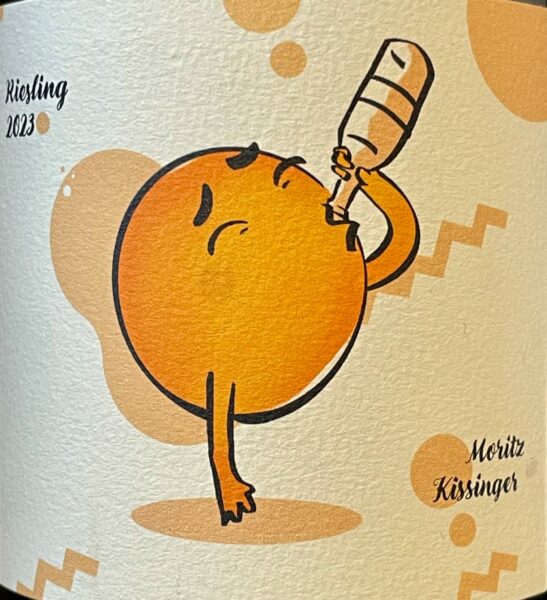
Moritz Kissinger Riesling 2023
Rheinhessen
$62.99
From limestone soils in Uelversheim. Biodynamic and Demeter certified. Barrel-fermented, with malolactic fermentation and extended lees ageing. Dry and distinctive, showing lemon cream and pineapple, with depth that opens in the glass. Impressive.
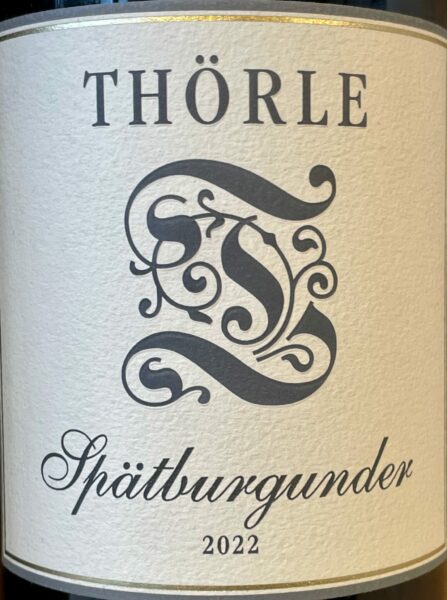
Thörle Spätburgunder 2022
Rheinhessen
$35.99
A modern, limestone-driven Pinot Noir from an organic, family-run estate. Bright cherry and red-berry fruit, fine drying tannins, balanced acidity, and a medium-plus finish. Food-friendly and drinking well now, with 3-5-year ageing potential.

(All photos – Sam Hauck)