
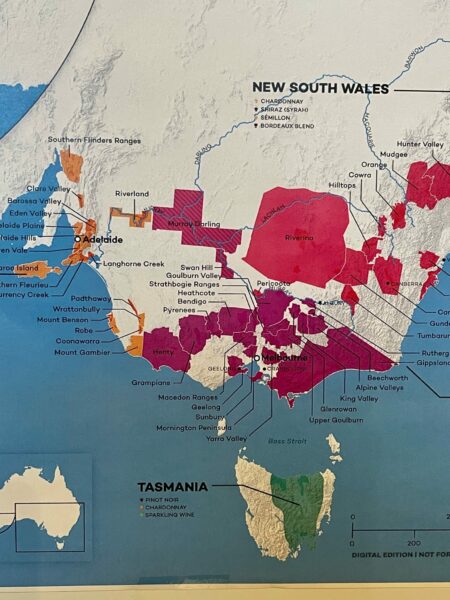
When most people think of Australian wine, they picture sun-drenched vineyards and powerful reds. There’s truth in that image, but it’s incomplete. The country’s most important wine regions are clustered in the cooler southern half of the continent, often close to the ocean or at higher elevations. Those moderating influences help preserve acidity and aromatic freshness, even where the days are warm and dry.
Climatically, many regions follow a Mediterranean pattern: cooler, wetter winters and warm, dry summers. That consistency allows grapes to ripen reliably, vintage after vintage, while generally low humidity reduces the risk of disease. As in many places, site is critical. Warmer valley floors tend to produce riper fruit and softer acidity, which is well suited to reds. Higher elevations and exposed slopes slow ripening, retaining tension and brightness — ideal for aromatic whites.
Although Australia is firmly labelled “New World,” its wine history runs deep. European settlers began planting vines in the 19th century, and some estates date from the 1840s. Yalumba was founded in 1849 and remains family-owned. Pewsey Vale was established in 1847. In South Australia, many old vineyards survive on their original rootstock because the state has never experienced a phylloxera outbreak — a rarity in the global wine world and a point of quiet pride.
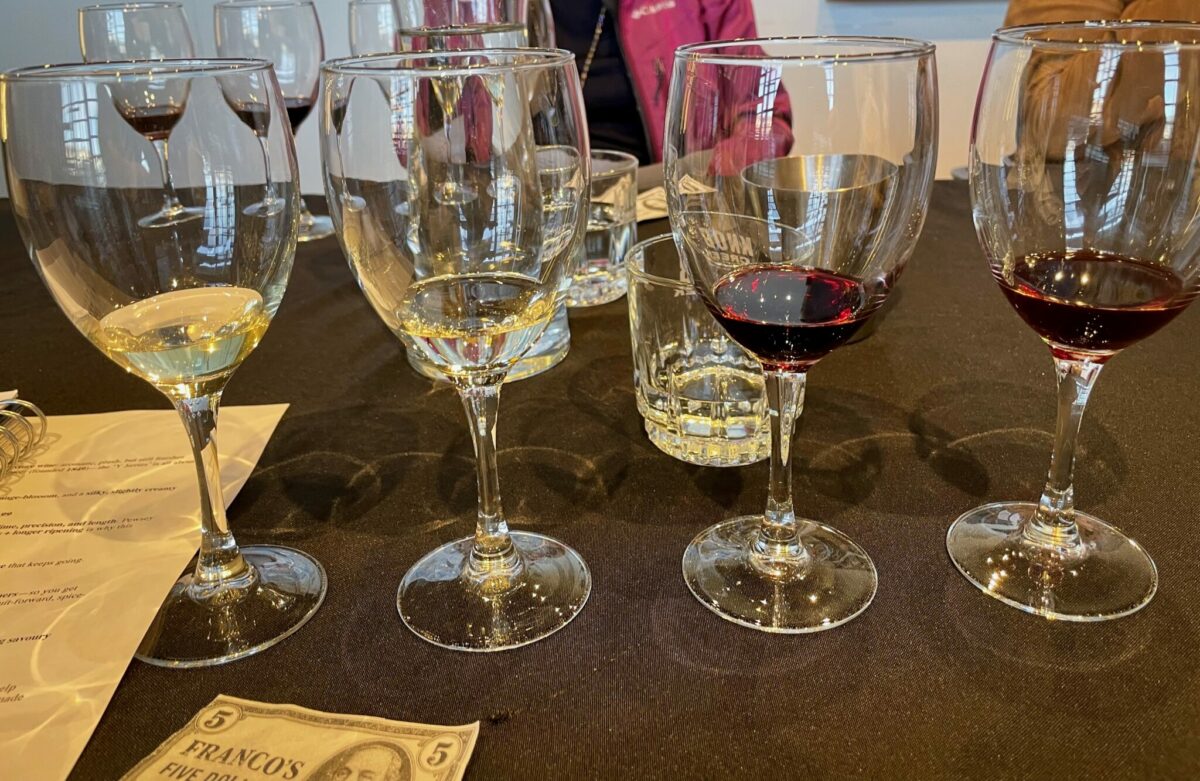
A recent tasting at Franco’s focused on South Australia and three of its best-known regions: Eden Valley, Barossa Valley and Clare Valley. Together, they demonstrate just how varied one state can be, from precise Riesling to fruity, structured, and savoury Cabernet blends.
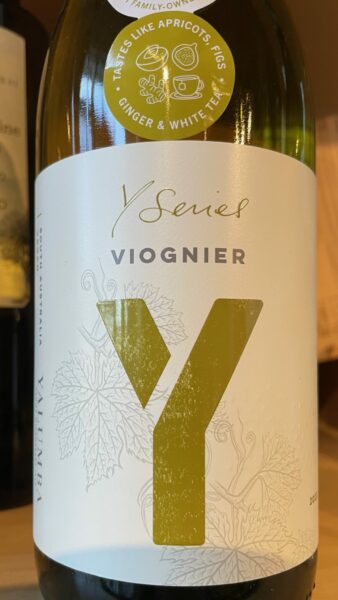
Yalumba Y Series Viognier 2023 – $19.99
Viognier can easily tip into heaviness, but this example strikes a sensible balance. Lemon yellow with medium-minus intensity. It opens with apricot, peach and orange blossom, with a touch of citrus zest. The palate is medium-plus in body, with a rounded, almost creamy texture that gives it presence without feeling weighty.
Fermented with wild yeast and made in a vegan-friendly style, it aims to showcase varietal character rather than winemaking artifice. At just under $20, it represents solid value and would pair nicely with roast chicken, grilled prawns or mildly spiced dishes.
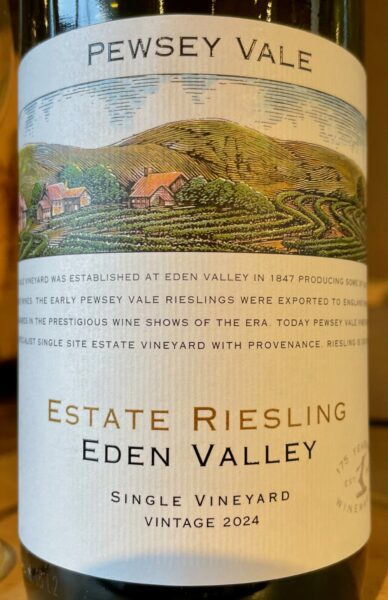
Pewsey Vale Eden Valley Riesling 2024 – $29.99
If Viognier shows the Barossa’s generosity, Riesling from Eden Valley reveals the virtues of elevation. Pewsey Vale’s vineyard sits between 450 and 500 metres above sea level, well above the Barossa Valley floor. The cooler nights and longer growing season help build flavour while preserving acidity.
At just 11.5% alcohol, this is light-bodied and precise. Pale lemon yellow with medium-light intensity. A classic Riesling nose with lime zest, apple, white flowers, diesel, minerality, good balance, and not as acidic as expected. Pleasing on the palate, followed by a medium-plus finish.
Delicious now, especially with oysters, fresh seafood or Thai-inspired dishes, but it also has the structure to age five to ten years, developing more honeyed and toasty notes over time. The 2024 vintage shows delicacy and focus rather than overt power — a reminder that Australian Riesling can be as structured as it is expressive.
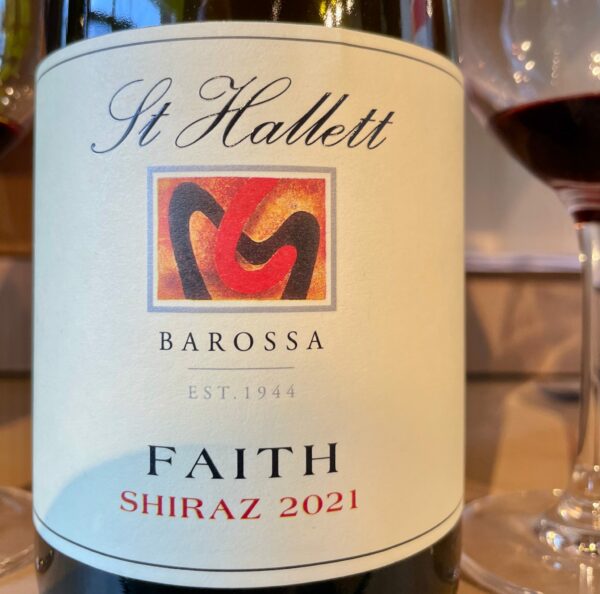
St Hallett “Faith” Shiraz 2021 – $28.99
Barossa Shiraz has a global reputation for richness and alcohol, yet this bottling shows a more measured side of the region. Garnet with medium-deep intensity, it offers blackberry, plum and dark cherry layered with pepper, baking spice and a touch of mocha.
Aged for nine months in a mix of French and American oak — with a small percentage of Durif (a red grape from the Rhone, but mainly grown in Australia) in the blend — the wine integrates its oak well. The tannins are velvety rather than aggressive, and there is enough acidity to keep the fruit from becoming jammy. It is balanced, fruit-forward, approachable and not over-extracted, making it versatile at the table. Grilled steak, lamb chops or even a well-made pizza would all work.
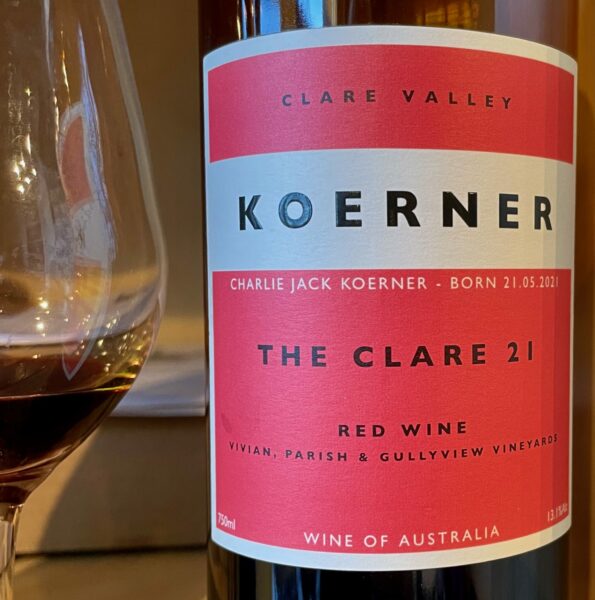
Koerner Wine “The Clare” Cabernet Blend 2021 – $47.99
Clare Valley is often associated with Riesling, yet it also produces compelling reds. Warm to hot days are tempered by cooling afternoon breezes, helping preserve freshness. Koerner’s “The Clare” is a modern interpretation of a classic Cabernet-led blend.
Composed of Cabernet Sauvignon, Cabernet Franc, Grenache, Malbec, Carignan and Sciacarello (an Italian red grape primarily grown in Corsica), the wine is fermented in open-top tanks with partial whole berries and aged in large Slavonian oak foudre before a period in stainless steel. The approach emphasizes fruit purity and structure over heavy oak influence.
Garnet red with medium-deep intensity. It shows aromas of blackcurrant, plum and sour cherry, with leafy, herbal tones, mint and a subtle tobacco edge. Good balance with medium body. The tannins are fine and slightly chalky, giving grip without heaviness. Bright acidity runs through the core, lending lift and length. There is complexity here, but the wine remains drinkable rather than dense. Slow-roasted lamb shoulder would be an ideal partner.
Final Thoughts
This tasting reinforced the diversity within South Australia. Elevation, soil and exposure matter as much here as anywhere else. From the floral generosity of Viognier to the taut precision of Riesling, from supple Shiraz to a composed Cabernet blend, the range is wide.
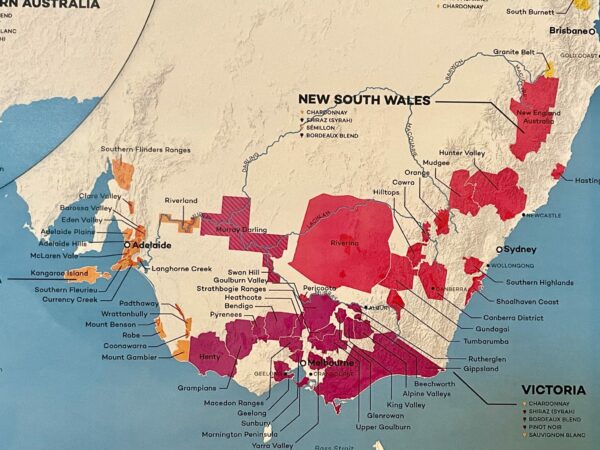
Australian wine may wear the “New World” label, but in regions such as Eden Valley, Barossa, and Clare, there is history, restraint and a growing focus on balance.
(All photos – Sam Hauck)
