
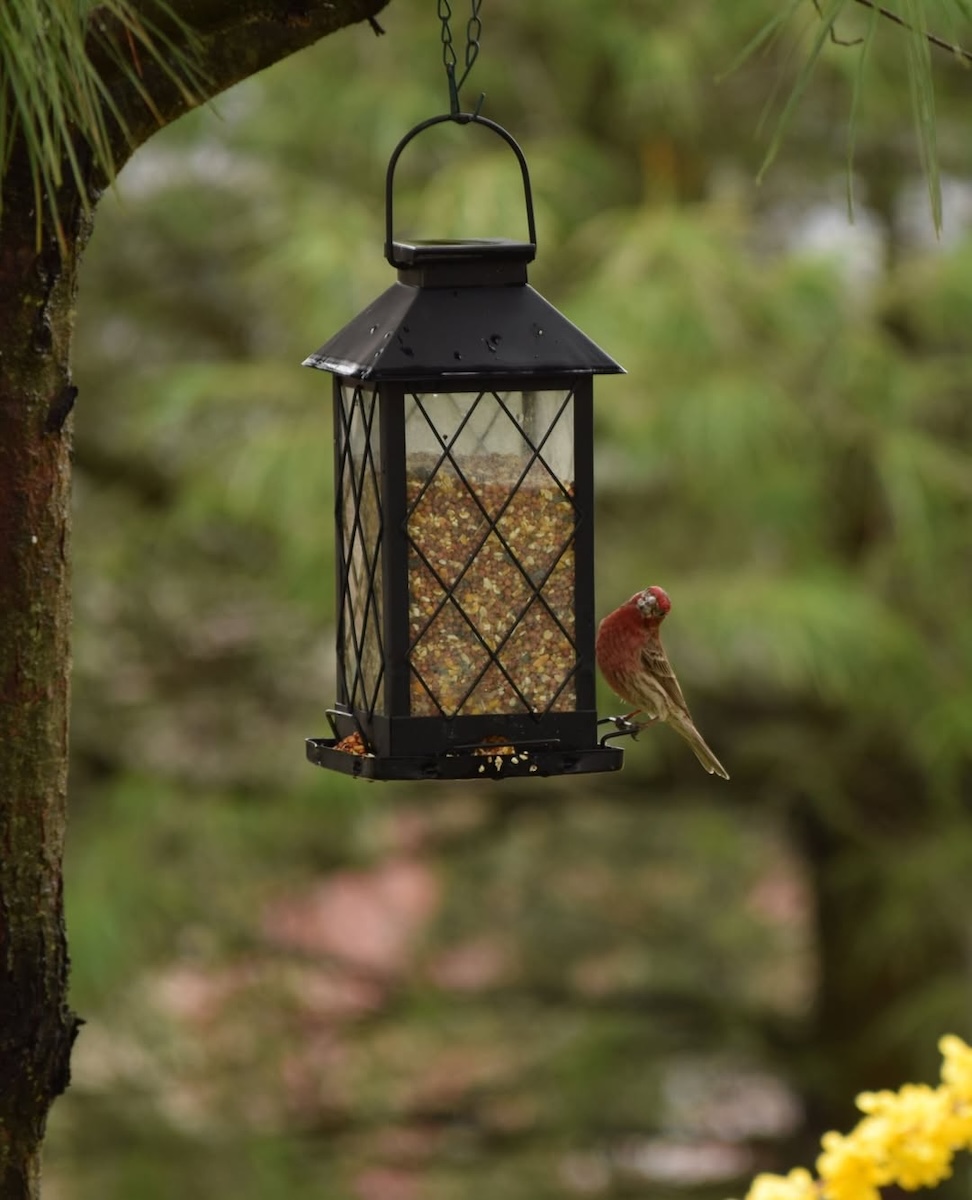

February is National Bird Feeding Month, and the BC Bird Trail is encouraging British Columbians to help local birds survive winter while bringing nature to their doorstep. With natural food sources scarce and cold nights demanding extra energy, proper bird feeding makes a real difference.
Plus, it’s perfectly timed with the Great Backyard Bird Count (February 13 to 16) and Family Day weekend, making it an accessible, feel-good activity for families.
Winter in Canada is beautiful — but for wild birds, it’s the most demanding season of the year. Short daylight hours, deep cold, wind, and snow-covered natural food sources mean birds burn enormous amounts of energy just to survive.
Backyard feeding can be a real winter lifeline — when it’s done thoughtfully and kept clean.
Offer high-energy food (critical during extreme cold) ¹
When temperatures plunge, birds need calories — especially fat — to maintain body heat. This is why premium seed blends and suet are most valuable in January and February.
A consistent, high-quality food source helps birds conserve energy and increases the diversity of species visiting your yard.
Add a premium suet station for additional fat, and between quality seed and suet, birds’ winter nutritional needs are well covered.
Provide fresh water (often more important than food) ¹
In winter, liquid water can be harder for birds to find than food. While birds can eat snow, they lose valuable calories warming it inside their bodies.
If possible, offer fresh water daily in a shallow birdbath and keep it from freezing. Even a small unfrozen drinking spot can attract birds quickly.
Heated birdbaths and birdbath heaters are ideal winter solutions. They’re thermostatically controlled (not a constant hydro drain) and ensure birds have access to open drinking water even during the coldest weather.
Keep feeders clean and food dry (essential for bird health) ²
Clean feeders are not optional — they’re essential.
This winter, there have been multiple reports of conjunctivitis in finches, a contagious eye disease that spreads easily at feeders where birds gather closely. We have removed our own feeders at times this season to intentionally interrupt this disease vector.
Watch closely for birds that are: ²
-
overly puffed up and lethargic
-
showing weepy, swollen, or crusty eyes
-
struggling to open their eyes, sometimes crusted shut
Proper winter feeder care: ²
-
Refresh seed regularly
-
Keep food dry and free of ice buildup
-
Clean feeders at least weekly (more often during wet weather or heavy use)
-
Place feeders where they’re protected from wind and driving snow
Feeding birds is a privilege — and sometimes the most responsible action is knowing when to pause.
Quick feed guide for BC birds:
Best choices: Black oil sunflower seeds (attracts the most species), nyjer seeds (goldfinches), suet cakes (woodpeckers), unsalted peanuts (jays), and native berries.
Avoid: Bread, salted foods, mouldy seed, and anything with artificial sweeteners.
Pro tip: Clean feeders every two weeks to prevent disease.
Look Up, Stay Grounded
Situated on the Pacific Flyway, British Columbia is home to a vast array of North America’s best birdwatching opportunities.
Whether you’re a seasoned birder or just taking off, The BC Bird Trail is your guide to exploring birding, conservation, and community in British Columbia.
Global Bird Count in February
Join the world in connecting to birds February 13–16, 2026.
Spend time in your favourite places watching birds—then tell us about them! In as little as 15 minutes notice the birds around you. Identify them, count them, and submit your counts to help scientists better understand and protect birds around the world. Great Backyard Bird Count.
With thanks to www.thebirdhouse.ca for the information. ¹,² The Bird House blog