
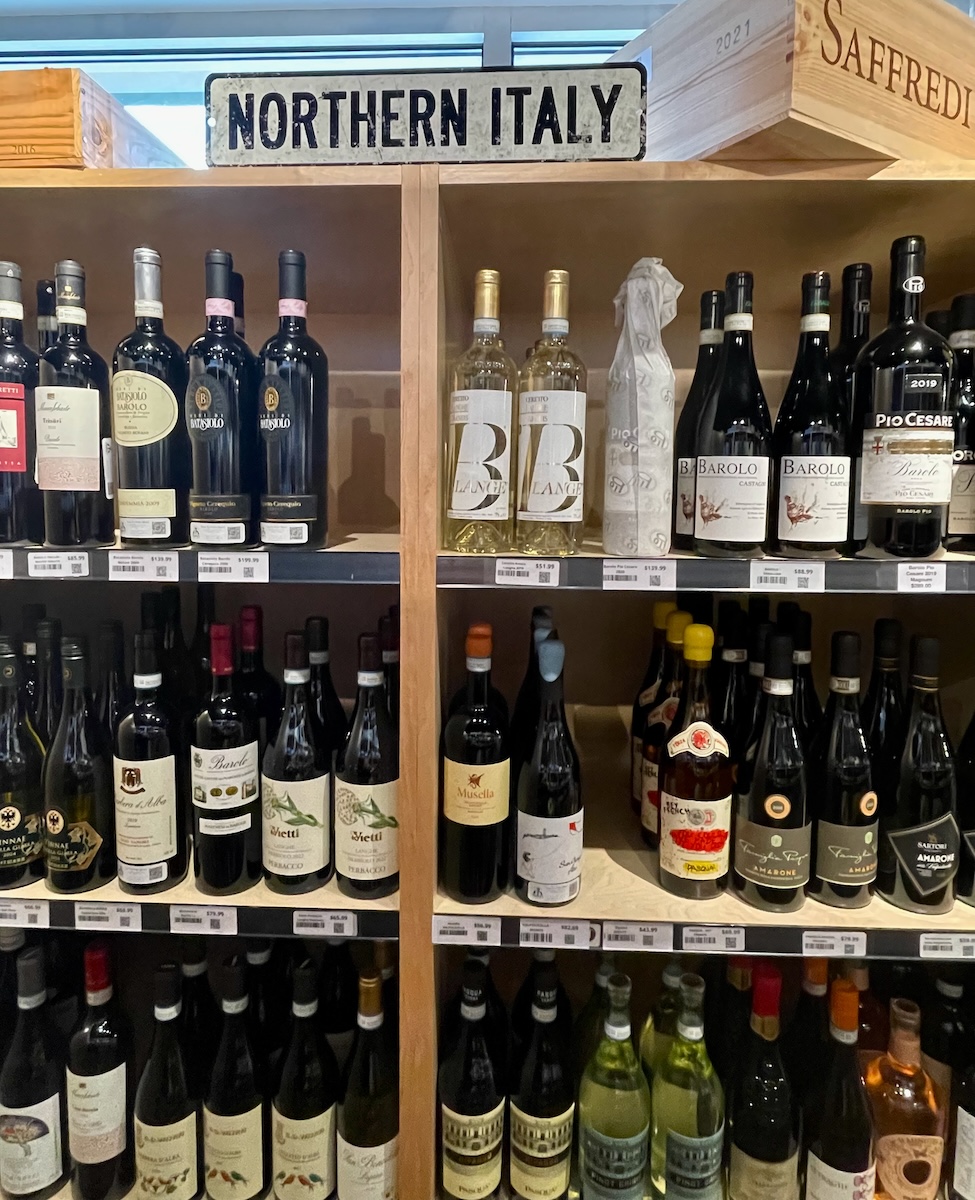
Montalcino is one of Tuscany’s great wine regions, yet its story is surprisingly simple. Every serious wine made here comes from a single grape: 100% Sangiovese. Locally, the historic clone is known as Brunello, or “the little dark one,” prized for its thicker skins, deeper colour, firmer tannins, and remarkable ageing potential.
What makes Montalcino fascinating is that the same grape, grown on the same hillsides, produces two distinct wines: Rosso di Montalcino and Brunello di Montalcino. The difference isn’t the variety—it’s time, site selection, and winemaking.
Sangiovese has a reputation for being demanding. It ripens late and needs plenty of warmth to develop fully. Montalcino provides exactly that. As Tuscany’s warmest and driest major wine region, it consistently brings the grape to full ripeness without sacrificing freshness.
The region’s geography also plays a key role. Nearby Monte Amiata, an extinct volcano, helps shield vineyards from severe weather while encouraging cool evening air to flow down the slopes. These large day-to-night temperature swings preserve acidity and aromatic freshness, giving the wines balance despite their power.
The soils add another layer of complexity. Higher vineyards are planted on limestone and galestro, a flaky, mineral-rich marl, while lower sites contain more clay. Together, these well-drained, low-fertility soils produce concentrated fruit, firm tannins, and the vibrant acidity that allows Brunello to age gracefully for decades.
Rosso vs. Brunello
Think of Rosso di Montalcino as Brunello’s younger sibling. Released after about a year, usually with little or no oak ageing, Rosso highlights fresh cherry fruit, floral notes, and an approachable style. It offers excellent value and often provides an early look at what a top producer can achieve.
Brunello di Montalcino, by comparison, is built for patience. Regulations require a minimum of five years of ageing before release, including at least two years in oak. Over time, bright fruit evolves into layers of dried cherry, leather, tobacco, spice, and earth, while the tannins become more refined. The best examples can easily reward 15 to 30 years in the cellar.
Rosso received its own DOC designation in 1983, allowing producers to release a fresh, drink-now wine while reserving their finest fruit for Brunello. For wine lovers, that often means access to a prestigious estate at a much friendlier price.
Four Wines, Two Styles
A recent tasting with Luigi at Franco’s Liquor Store showcased this contrast with two Rossos followed by two Brunellos.
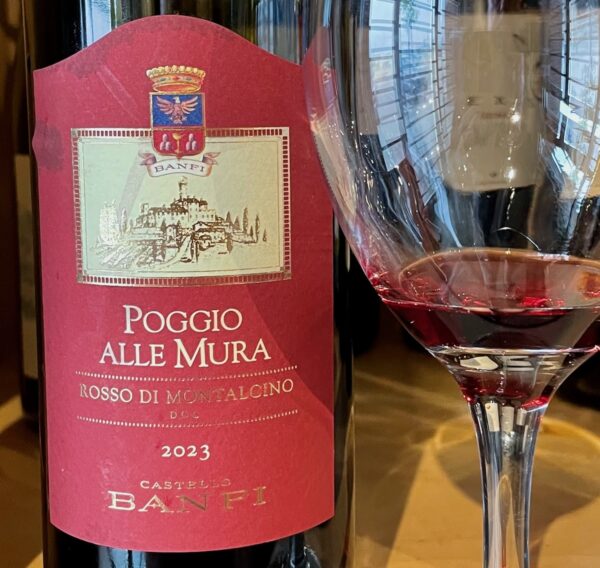
Castello Banfi Poggio alle Mura Rosso di Montalcino 2023 opened with bright cherry, plum, violet, and sweet spice. Juicy, polished, and immediately enjoyable, it demonstrated the freshness that makes Rosso so appealing.
$39.99
Fun fact: Banfi is Montalcino’s great modern estate, founded in 1978 by the Italian-American Mariani family, who made their fortune importing Riunite Lambrusco, then built one of Tuscany’s largest, most research driven wineries.
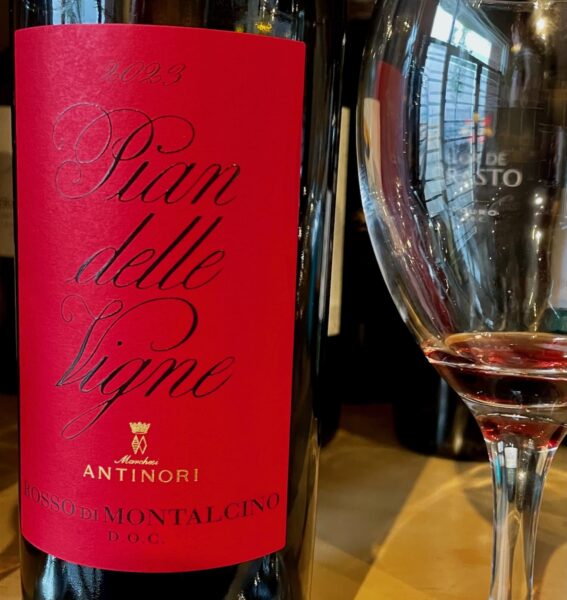
Pian delle Vigne (Antinori) Rosso di Montalcino 2023 offered a more savoury expression, with red cherry, wild herbs, earth, and subtle leather. Slightly firmer tannins made it a natural partner for food and highlighted how different producers interpret the same appellation.
$48.99 (my favourite of the Rossos)
Fun fact: Antinori’s Montalcino estate, acquired in in 1995, is named after the old railway station on the property – the building on the label.
The Brunellos revealed what additional aging can accomplish.
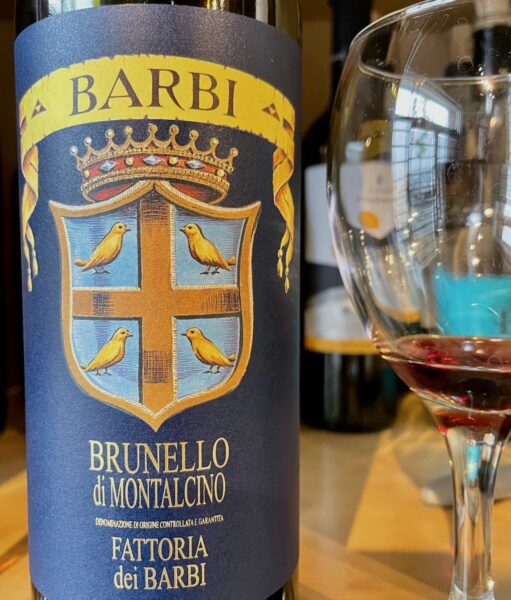
Fattoria dei Barbi Brunello di Montalcino 2019, from one of the region’s historic estates, delivered dried cherry, tobacco, leather, earthy complexity, and firm structure. Still youthful and somewhat reserved, it promises a long life ahead. 2019 was an exceptional vintage, some call it the best vintage in 20 years. The Barolo-lovers Brunello.
$110.99
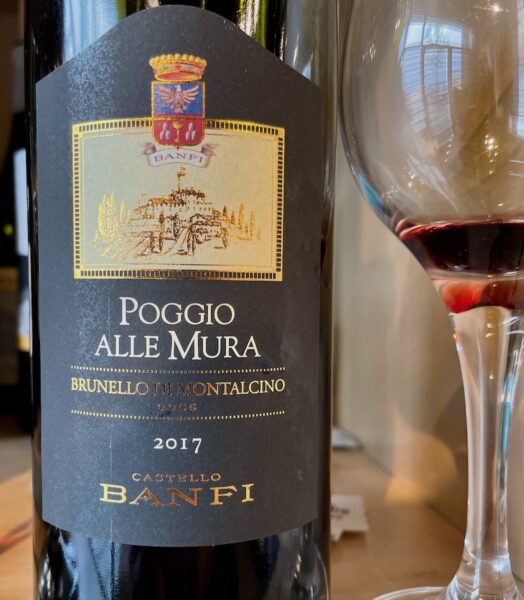
Castello Banfi Poggio alle Mura Brunello di Montalcino 2016 showed the same estate featured in the opening Rosso, now transformed by time. Rich black cherry, plum, sweet spice, licorice, and well-integrated oak created a polished, powerful wine with exceptional balance and years of development still to come. (My favourite of the last two.)
$99.99
The Takeaway
The tasting made one point unmistakably clear: Montalcino is not simply about producing great wine—it’s about revealing how one grape can express itself in remarkably different ways.
Comparing Rosso and Brunello side by side clearly demonstrates the influence of ageing, vineyard selection, and winemaking philosophy. Whether you prefer the vibrant fruit and immediacy of Rosso or the layered complexity of Brunello, both offer compelling expressions of one of Italy’s most celebrated wine regions.
(All photos – Sam Hauck)
