

For years I’d been reading about the growing popularity of Greek wines in New York. The unfamiliar grape names and descriptions of their distinctive flavours intrigued me, so when Franco’s Liquor Store advertised a Saturday tasting of Greek wines, I booked us in immediately.

When we arrived, Luigi was outside grilling fragrant lamb kebabs to pair with the wines. Inside, Pablo Sanz, owner of Meditaste Wine Import Agency, was ready to guide us through a flight of five wines—three whites and two reds.
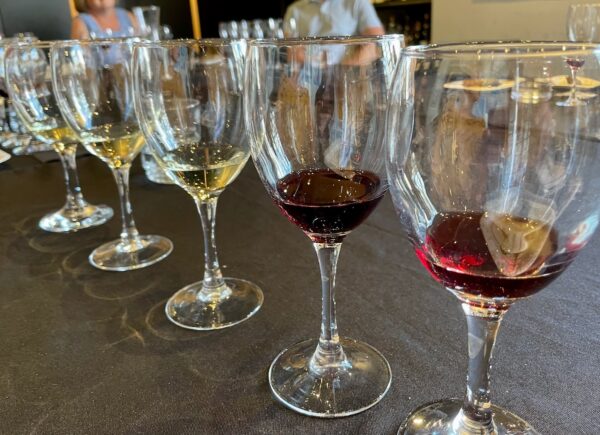
The first wine was retsina.
As soon as Pablo announced it, several faces fell. One woman across from me whispered, “I’ll be skipping that one,” while others quietly pushed their glasses away.
Pablo smiled.
“I know. I know. ‘Eww, retsina.’ But hear me out.”
He explained that for decades Canadians were exposed mainly to inexpensive, industrial versions in which pine resin masked poor-quality wine. Modern Greek retsina is very different. Producers now use better fruit and add resin with a much lighter touch, creating wines where the pine is part of the character rather than the dominant flavour.
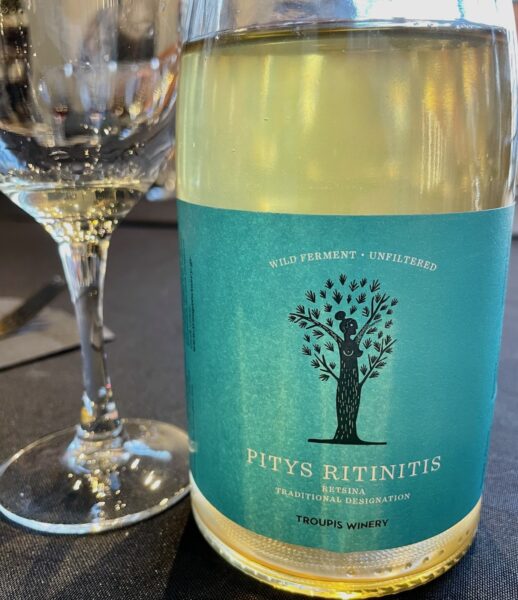
Following the old advice ‘to never say never’, I gave the wine a cautious sniff. Very little of the expected resin aroma was evident. My first sip confirmed it. Instead of the harsh, turpentine-like wine I remembered, this was fresh, crisp and surprisingly food-friendly.
It completely changed my opinion of retsina.
Greek winemaking has undergone a remarkable transformation since the 1990s. While the country has produced wine for thousands of years, modern investment, improved vineyard practices and renewed interest in indigenous grape varieties have elevated quality dramatically.
Today Greece is home to more than 300 native grape varieties. Many have names that challenge the tongue—Assyrtiko, Agiorgitiko, Kidonitsa, Moschofilero and Xinomavro—but they’re worth getting to know.

According to Karen MacNeil in The Wine Bible, pine resin became associated with Greek wine because ancient amphorae were sealed with resin to prevent oxidation. Over time, the flavour became part of the country’s winemaking tradition, eventually evolving into retsina.
Pablo noted that Greek producers are increasingly returning to indigenous grapes after years of experimenting with international varieties. Consumers, he said, have become far more willing to explore unfamiliar wines, allowing these historic grapes to reclaim the spotlight.
Among the standout wines of the afternoon was a Kidonitsa from the Peloponnese. Nearly lost to history, this rare white grape is named after the Greek word for quince, reflecting its distinctive aromas. The wine showed bright citrus, quince and delicate floral notes balanced by lively acidity and a creamy texture.
The Xinomavro from Naoussa was equally impressive. Often compared with Nebbiolo for its high acidity and firm tannins, it offered aromas of cherry, sun-dried tomato, herbs, and spice. It was easy to imagine alongside roast lamb, mushroom risotto or a well-aged steak.
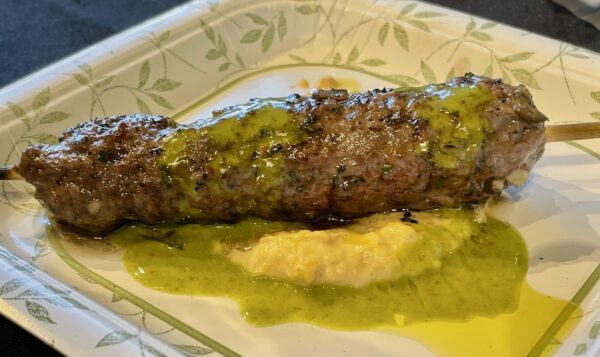
One of the afternoon’s biggest takeaways was that Greek wines are made for the table rather than the patio. Their vibrant acidity and savoury character make them natural partners for dishes such as lamb souvlaki, spanakopita, dolmades, grilled seafood and feta.
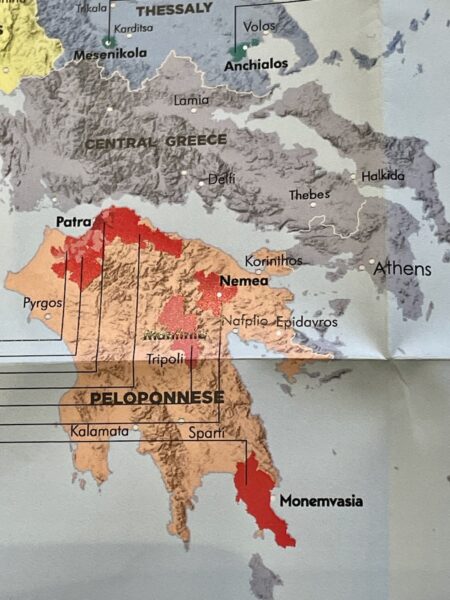
Pablo, who is Spanish, has spent years exploring Greece with his wife, who is from the Peloponnese. Together they have sought out small family wineries that showcase the country’s remarkable diversity and history.
By the end of the tasting, I had discovered far more than a few unfamiliar grape names. I had also learned that retsina deserves a second chance.
Wines Sampled
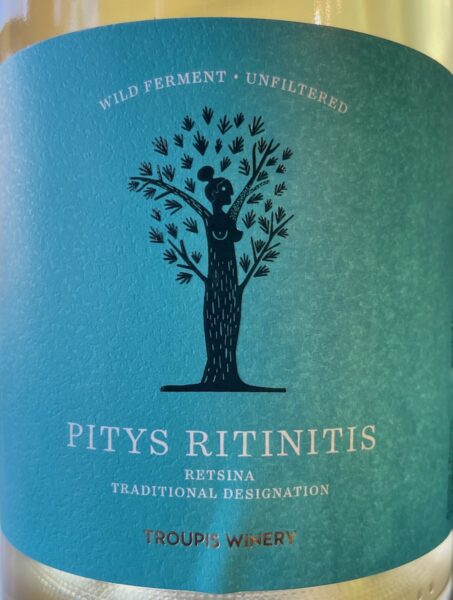
Pitys Ritinitis Retsina Traditional
100% Assyrtiko. Aromas of apricot, blossoms, tangerine, lavender, rosemary and subtle pine resin. Fresh with lively acidity.

Terra Nera White PGI Cyclades Assyrtiko 2024 — $55.99
A blend of 85% Assyrtiko and 15% Aidani from 50-year-old vines, aged six months on the lees. Melon, pear, citrus, herbal notes and pronounced minerality with a long finish.
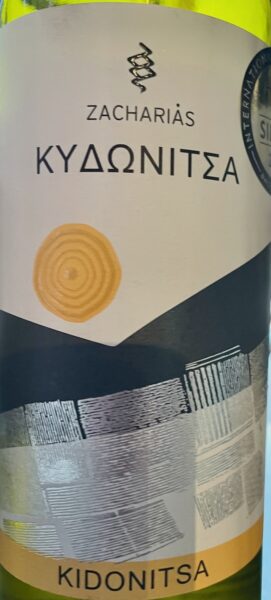
Kidonitsa Monovarietal 2024 — $33.99
A rare Peloponnesian variety fermented in stainless steel. Bright lemon, quince, chamomile and jasmine with a creamy, well-structured palate.

Lexis “N” Old Vines 2022 — $49.99
PDO Nemea. Made from 60-year-old Agiorgitiko vines and aged 12 months in French oak. Deep ruby with red fruit, coffee, sweet spice and a rich, full-bodied finish.
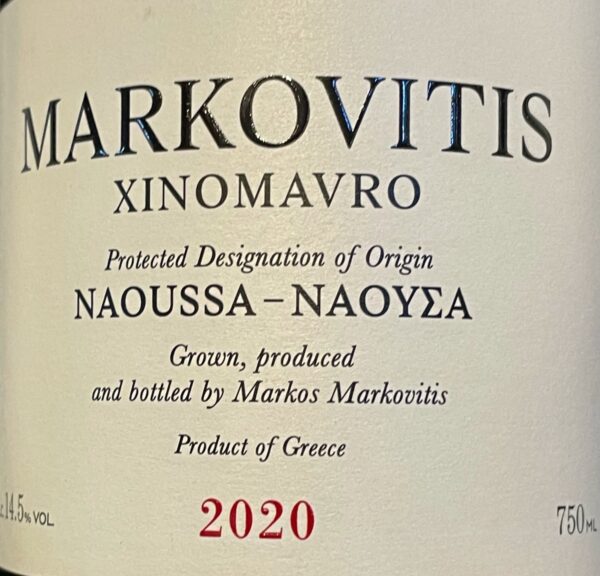
Xinomavro Naoussa PDO 2020 — $44.99
Organically grown from 40-year-old vines. Aromas of cherry, plum, sun-dried tomato, olive, lavender and sweet spice, with earthy complexity and a lingering finish.
(All photos, except as noted – Sam Hauck)