
Burgundy is the home of Pinot Noir and perhaps the world’s most place-obsessed wine region. One grape, a landscape of limestone, clay and marl – yet the wine can change from plot to plot.
Pinot Noir is thin-skinned and relatively delicate. It does not have the weight of Cabernet Sauvignon or the tannic muscle to hide behind. That makes it unusually responsive to site. Soil, slope, exposure and climate can all show through in the glass. It is one reason Pinot has earned its reputation as the “heartbreak grape”: demanding in the vineyard and capable of being equally challenging in the winery.
Burgundy’s appellation system reflects this obsession with place. At the broadest level are regional appellations, followed by Village, Premier Cru and Grand Cru. Premier Crus are specific Climats within a Village appellation; Grand Crus represent the highest level, with 33 Grand Cru appellations in Burgundy.
The word Climat is important. It refers not simply to the weather, soil, and aspect, but to a precisely defined vineyard parcel with its own name, boundaries and history. There are 1,247 Climats in the UNESCO-listed Burgundy Climats, terroirs of Burgundy, which was added to the World Heritage List in 2015.
A brief history of place
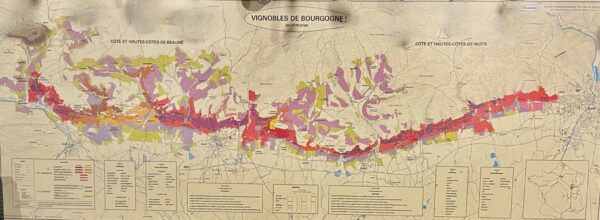
Burgundy’s vineyard map was shaped over centuries by monks, landowners, winemakers and, eventually, French inheritance laws. The Benedictines and Cistercians played a major role in developing vineyards and identifying differences between sites during the Middle Ages. The Cistercian abbey of Cîteaux was founded in 1098, so the familiar claim that Cistercian monks were mapping Burgundy as early as 900 is too early.
In 1395, Duke Philip the Bold ordered Gamay removed from the Côte d’Or and Pinot, then commonly called pineau, to be planted instead. The decree helped reinforce Pinot Noir’s dominance in the area, although it did not make Pinot the only red grape in all of Burgundy.
The French Revolution then broke up church and aristocratic holdings. Napoleon’s inheritance laws further divided estates among heirs. The result is the Burgundy we know today: a patchwork of small holdings in which a single vineyard can have dozens of owners.
The Climats themselves became a UNESCO World Heritage site in 2015, recognized for the extraordinary relationship between vineyard parcels and the wines they produce.
South to north
The Côte Chalonnaise, south of the Côte de Beaune, offers some of Burgundy’s best values. Pinot Noir here can be lighter and more immediately approachable, although appellations such as Mercurey can produce surprisingly structured wines.
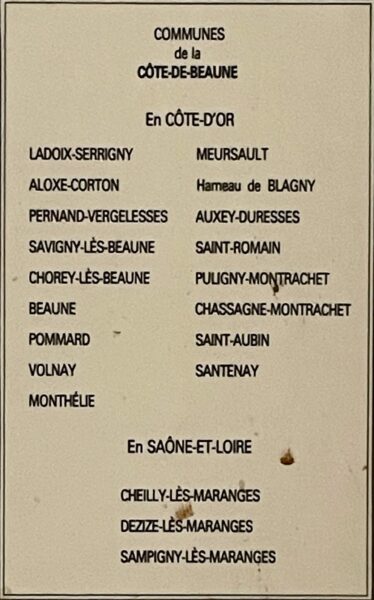
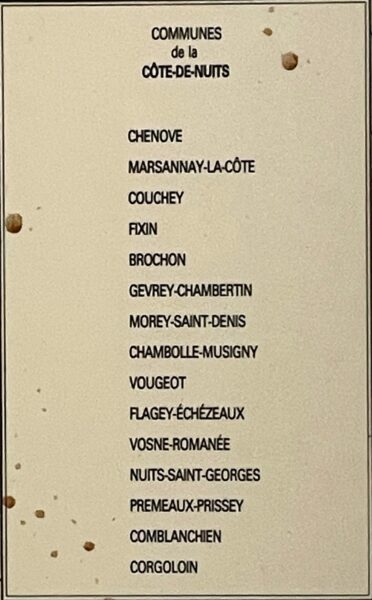
North of it, the Côte de Beaune is famous for elegant Pinot Noir as well as some of Burgundy’s greatest Chardonnays. Farther north, the Côte de Nuits is the great red-wine country, home to appellations such as Nuits-Saint-Georges, Vosne-Romanée and Gevrey-Chambertin. Pinot Noir dominates, producing wines that can combine perfume, structure and remarkable longevity.
In the cellar, there is no single “Burgundy method.” Grapes may be fully destemmed or fermented with whole clusters; fermentation may rely on indigenous yeasts or selected cultures; extraction can range from gentle to more vigorous. Ageing is often in French oak, but the amount of new oak varies considerably.
The point is not to impose a recipe on the wine. It is to let the place speak.
The Wines in the Flight
(Franco’s Liquor Store – Kelowna)

- Clos de l’Évêché Joussier 2023
Bourgogne Côte Chalonnaise — $49.99
We started in the value-rich south with a Pinot Noir from a walled vineyard, or clos, in the Côte Chalonnaise. This is bright, juicy and uncomplicated in the best sense: cherry, cranberry and a stony freshness, with a touch of the earthy character that can make Côte Chalonnaise Pinot so appealing. It is fruity, fresh and almost Gamay-like in its easygoing character. The wine is fermented plot by plot, with a short cold pre-fermentation maceration, gentle extraction and no oak aging. Stainless steel keeps the emphasis on freshness and red fruit.
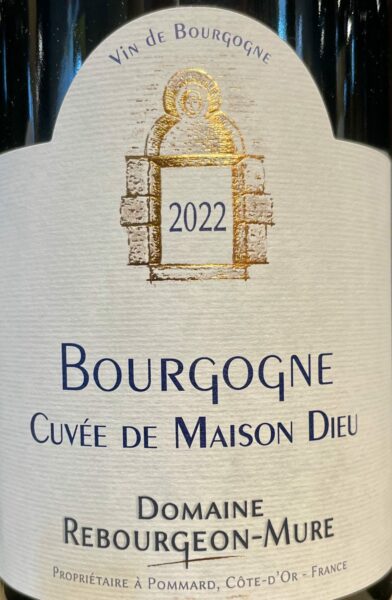
- Domaine Rebourgeon-Mure Bourgogne 2022
Côte de Beaune — $81.99
A regional Bourgogne Pinot Noir from a Pommard domaine known for its more serious wines. This is a step up in depth: red cherry and raspberry, with earth and spice, but still light on its feet. The estate’s Pommard and Volnay wines are the stars, but this regional bottling shows what a good grower can do at the entry level. The approach is traditional, with gentle extraction and oak ageing. The result is silky, balanced and distinctly Côte de Beaune.
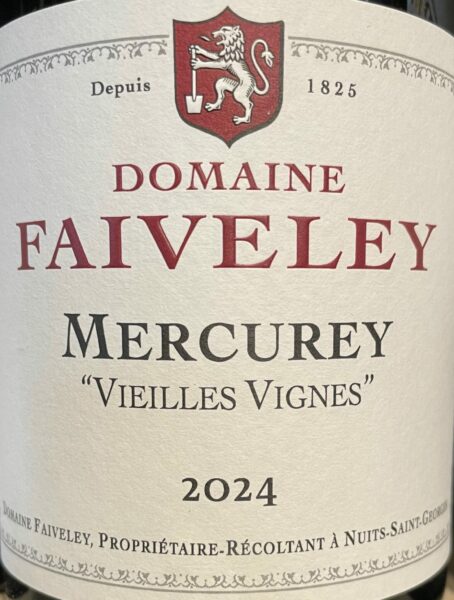
- Domaine Faiveley Mercurey Vieilles Vignes 2024
Côte Chalonnaise — $82.99
Now we move to a Village wine and to Mercurey, one of the leading red-wine appellations of the Côte Chalonnaise. From old vines spread across 20 plots, this is darker and firmer than the first two wines, with cherry, forest floor and spice. There is more structure, but the wine remains fresh. Faiveley’s Mercurey Vieilles Vignes comes from a 27-hectare group of plots, predominantly on limestone soils, and is aged in French oak with a restrained proportion of new barrels.
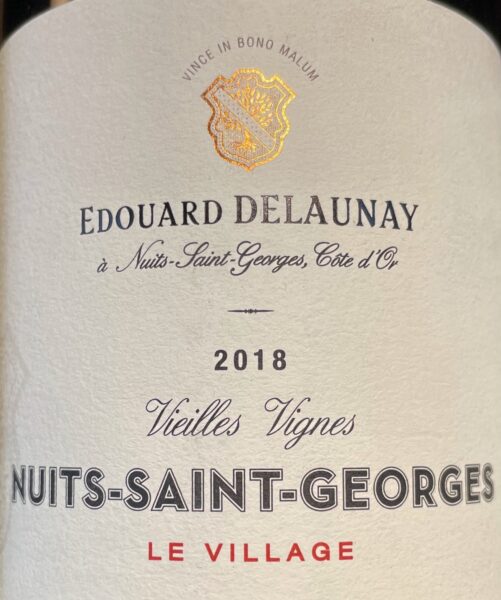
- Edouard Delaunay Nuits-Saint-Georges “Le Village” VV 2018
Côte de Nuits — $104.99
Finally, we reach the Côte de Nuits. The extra age is immediately apparent in the colour and texture. There is black cherry, plum, earth, spice and mineral character, backed by fine tannins and a long finish. It is the most structured wine of the flight and, at this stage, benefits from plenty of air. The 2018 vintage received 92 points from Decanter, and the wine’s structure suggests there is still life ahead.
Four wines, four expressions of Pinot Noir – and a useful reminder of Burgundy’s central idea. The more precisely you can name the place, the more the wine has to say.
(All photos – Sam Hauck)
