
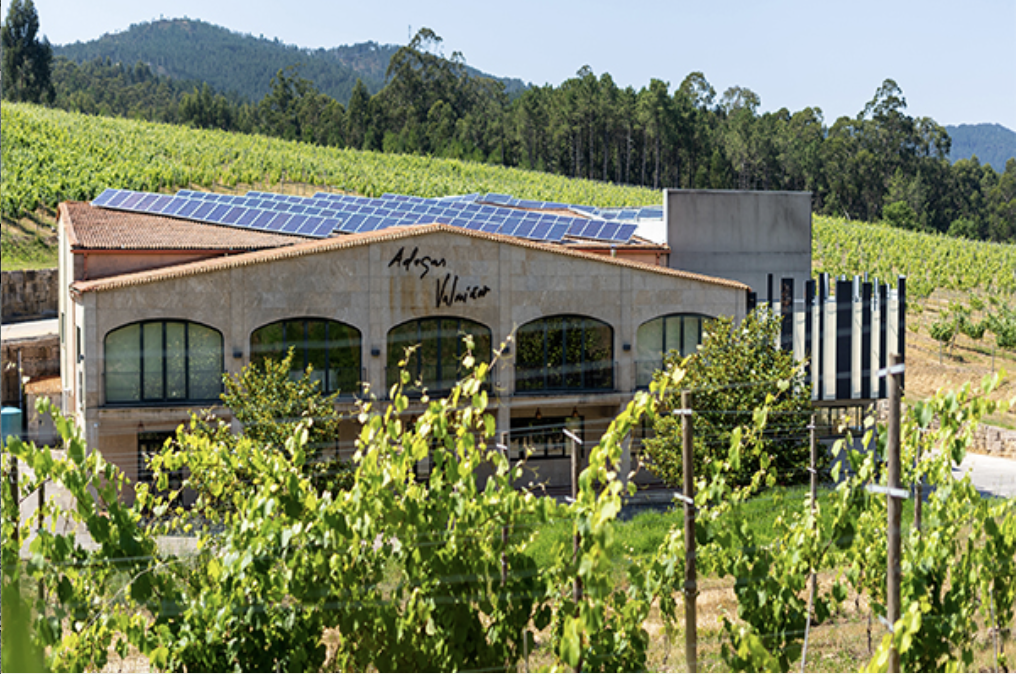
Discovering Adegas Valmiñor: A Taste of Rías Baixas
This week, I explored a range of wines from Adegas Valmiñor. Founded in 1997 by Carlos Gómez Dávila, the winery is in the O Rosal sub-zone of DO Rías Baixas in Galicia, northwestern Spain. Although the region is renowned for Albariño, Valmiñor also makes wines from other indigenous varieties, including Loureiro, Treixadura, Caiño, Sousón, Brancellao and Castañal, alongside its signature whites.
The winery owns 35 hectares of vineyards along the northern bank of the Miño River, supplemented by fruit from around 100 local growers who work under strict viticultural and yield controls. O Rosal’s warmer mesoclimate and generally south-facing vineyards produce wines with a little more body and generous fruit than those from the more northerly sub-zones, while retaining the freshness and acidity characteristic of Rías Baixas.
Two vineyards are particularly important to the winery’s identity. Catuxa, a four-hectare site with approximately 30-year-old vines, is known for its exceptionally low yields. Figuero, the winery’s largest holding at 17 hectares, offers a distinctive expression of terroir, with metamorphic schist soils rather than the region’s more typical granite. Originally planted with indigenous red varieties, much of Figuero has since been grafted over to Albariño, although some of the original vines remain.
With winemaker Cristina Mantilla at the helm, the focus is on careful grape selection and gentle winemaking, including cool, extended fermentations in stainless steel to preserve freshness and varietal character.
We explored the winery’s portfolio at a tasting held at Casa Molina, hosted by World Wine Synergy. Yago Gómez González, Director of Adegas Valmiñor, led the presentation and introduced us to eight wines showcasing the diversity of the winery’s vineyards and Galicia’s indigenous varieties.
The Tasting
- Entroido White Vermouth
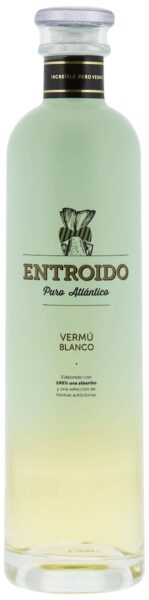
We began with something a little different: a Galician white vermouth made by infusing wine with local herbs and botanicals, including fennel, coriander, eucalyptus and laurel, before adding sugar and fortifying it to 15% alcohol.
Pale straw yellow with green reflections, it offered an inviting citrus nose of orange and lemon peel, with fennel and a subtle hint of coriander. Served with an olive and anchovy skewer and a piparra pepper, it made for a lively start to the tasting.
- Entroido Red Vermouth
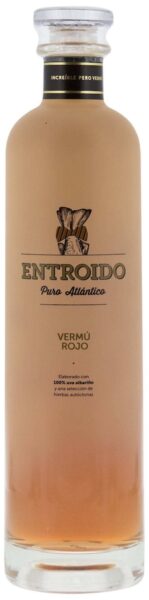
The red version offered a more intense aromatic profile, with citrus joined by warming notes of cardamom and ginger. A little richer and more pronounced than its white counterpart, it was another interesting expression of Galicia’s aperitif culture.
- Abade de Couto – DO Rías Baixas
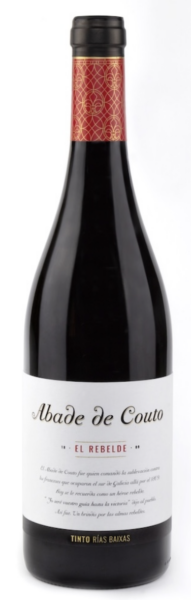
Moving into the reds, this wine was particularly interesting for its use of indigenous Galician varieties: Sousón, Caiño Tinto, Castañal and Brancellao. The grapes are hand-harvested from the Figuero vineyard, where metamorphic schist soils set the site apart from much of the surrounding region.
Deep purple in colour, it showed aromas and flavours of cherry, plum and blackberry, with underlying notes of toffee and cocoa. Medium-plus acidity and tannins gave it plenty of structure, suggesting this is a wine that benefits from food. It was served alongside a deliciously creamy croquette, a pairing that brought out its savoury side.
- Valmiñor Albariño – DO Rías Baixas
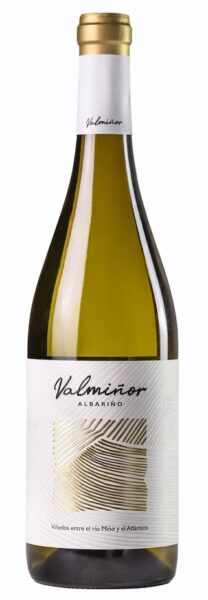
A classic expression of the region’s signature grape, this Albariño is hand-harvested, gently pressed and fermented in stainless steel to preserve its freshness and aromatic character.
Pale straw yellow with green reflections, the nose revealed lovely citrus and stone-fruit notes, with a hint of lime zest and orange blossom. Fresh and lively on the palate, it had good structure and nicely balanced acidity. It was paired with a shrimp and cream soup, a particularly successful combination that highlighted the wine’s freshness while complementing the soup’s richness.
- Dávila O Rosal – DO Rías Baixas
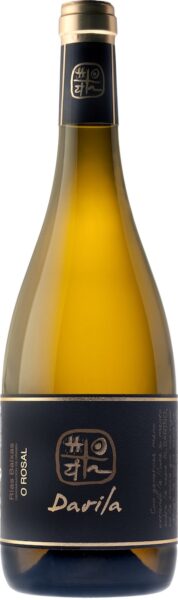
This wine brings together three varieties: Albariño, Loureiro and Treixadura, each fermented separately under temperature control before blending. It is then aged on its lees in stainless steel, followed by a further 60 days of bottle rest.
Slightly deeper and warmer in tone than the straight Albariño, it offered a fragrant bouquet of orange blossom, chamomile, mandarin orange and red apple, with a touch of spice. The palate was elegant, with a lovely texture and fuller body than the previous wine. Served with sizzling shrimp and Spanish pepper, it was a wonderful match.
- Minius Godello – DO Monterrei
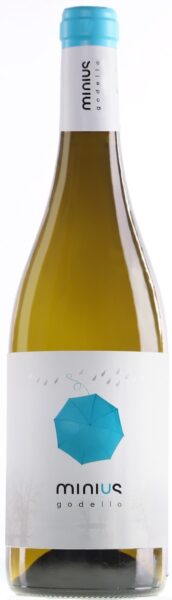
Taking us beyond Rías Baixas, this 100% Godello comes from the neighbouring Galician appellation of Monterrei. The grapes undergo careful selection in both the vineyard and winery, followed by a short cold maceration and stainless-steel fermentation.
Pale straw in colour, it showed fresh, zesty lime and floral aromas. Soft and elegant on the palate, its bright acidity kept everything fresh and balanced. It was served with salted tuna, a pairing that allowed the wine’s delicate character to shine.
- L-100 – DO Rías Baixas
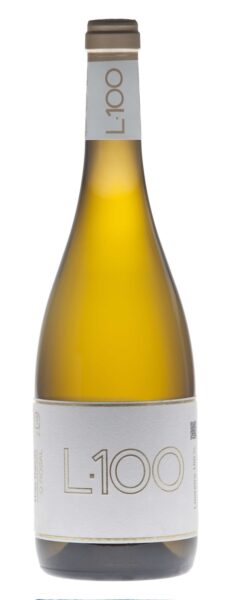
One of the more distinctive wines in the lineup, L-100 is made from 100% Loureiro. Valmiñor was the first winery in Rías Baixas to produce a wine made exclusively from this variety, grown in the O Rosal Valley.
Following a five-hour cold skin maceration, fermentation takes place in temperature-controlled stainless-steel tanks. The wine then spends nine months ageing on its lees, adding texture and complexity.
The nose was expressive, with orange blossom, citrus and stone fruit. On the palate, it was surprisingly rich, with a silky texture and beautifully balanced acidity. A more textured and substantial expression of Loureiro, it was served with shrimp on toast.
- Minius Mencía – DO Monterrei
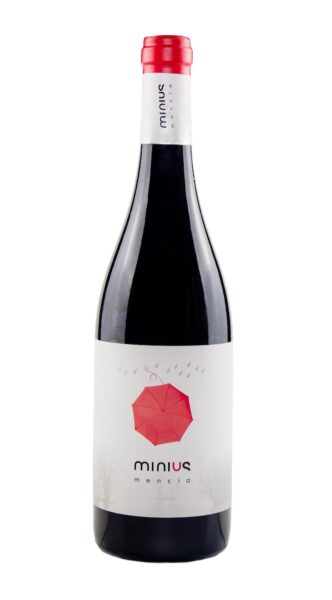
We finished with another Galician red, this time a 100% Mencía from Monterrei. Hand-harvested grapes are gently destemmed and pressed, then macerated and fermented in stainless steel. A touch of micro-oxygenation precedes malolactic fermentation.
Deep ruby with maroon tones, it showed an expressive nose of red fruit and blueberry, alongside hints of cocoa. Juicy on the palate, it had medium structure, grainy tannins and moderate acidity. A little rustic in character, it finished on a pleasant fruit note. Served with seared beef on grilled pepper, it was a fitting end to the tasting.
Final Thoughts
What stood out throughout the tasting was the diversity of Valmiñor’s portfolio and its commitment to showcasing Galicia’s grape varieties and terroir. While Albariño remains the region’s calling card, wines such as the Dávila O Rosal and L-100 show how much more there is to discover, particularly in indigenous varieties like Loureiro and Treixadura. The red wines were equally interesting, reminding us that Galicia has a much broader viticultural identity than its reputation for crisp, refreshing whites might suggest.
Representation in BC is currently limited to the Adegas Valminor Davila o Rosal, but I hope we see more of these wonderful wines soon.