
Wines of Portugal: Diversity and Individuality
When it comes to European wine, Portugal doesn’t always receive the attention it deserves. While most wine lovers are familiar with Port and Vinho Verde, a diverse wine landscape awaits beyond these familiar names.
I recently attended a Wines of Portugal masterclass in Vancouver, hosted by Town Hall Brands and presented by Ian Philip of Barbarian Wine Consulting. Philip took us on a fascinating journey through the country’s winemaking heritage, distinctive terroirs and extraordinary diversity of indigenous grape varieties.
Portugal may be relatively small geographically, but it punches well above its weight in the wine world. The Portuguese are among the world’s most enthusiastic wine drinkers, consuming an impressive 62 litres per capita annually. According to ViniPortugal, the country ranked eighth as the world’s largest wine exporter, with Canada consistently ranking as its fifth-largest export market by value.
With a winemaking history spanning millennia, Portugal has developed an extraordinary collection of more than 250 native grape varieties. While many wine-producing countries have embraced internationally recognized grapes such as Cabernet Sauvignon, Chardonnay and Merlot, Portugal has maintained a strong connection to its indigenous varieties, including Touriga Nacional, Touriga Franca, Tinta Roriz, Baga, Encruzado, Loureiro and Alvarinho.
One of the most interesting aspects of the masterclass was exploring how dramatically Portugal’s growing conditions change from one region to another. Despite its modest size, the country experiences three broad climatic influences: Atlantic, continental and Mediterranean. Along the Atlantic coast, moderate temperatures, abundant rainfall, and maritime breezes produce wines with freshness and vibrant acidity. Further inland, continental influences bring greater diurnal temperature swings, allowing grapes to develop ripe flavours while preserving acidity. Meanwhile, southern Portugal’s warmer, drier Mediterranean climate encourages greater sugar accumulation and phenolic ripeness, often producing fuller-bodied wines with generous fruit, softer acidity and higher alcohol.
The diversity extends beneath the vines. Granite soils are found in regions such as Vinho Verde and Dão, while the Douro is particularly associated with schist. Limestone, clay and sandy soils feature prominently in regions including Bairrada, Lisboa and the Península de Setúbal. Combined with Portugal’s remarkable range of indigenous grapes, these varied growing conditions produce an impressive spectrum of wine styles.
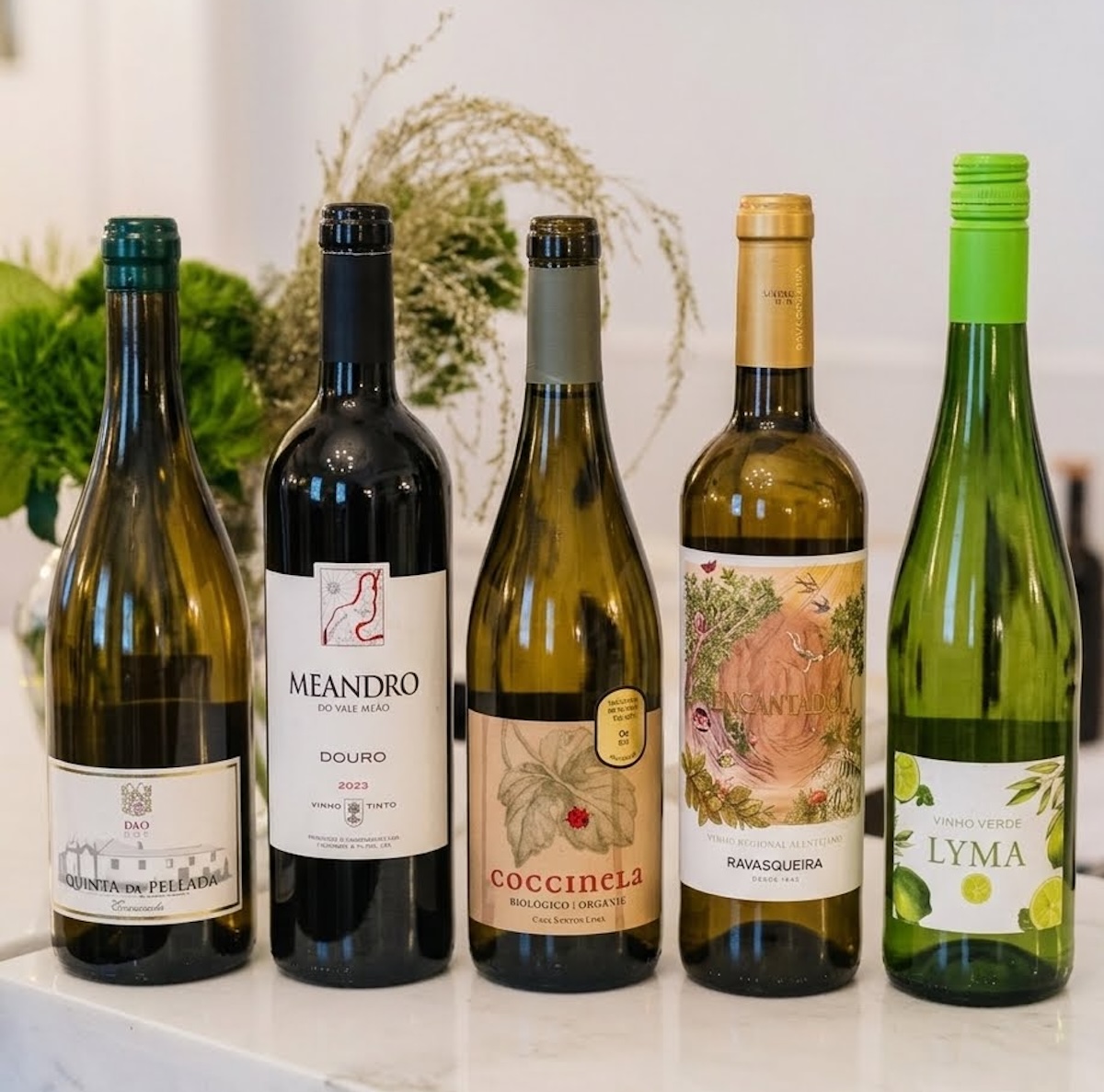
Of course, understanding terroir and grape varieties is one thing, but discovering how they translate into the glass is quite another. The masterclass included a tasting of ten wines highlighting several of the country’s growing regions. Here are five that particularly caught my attention.
2025 Lyma White | Vinho Verde
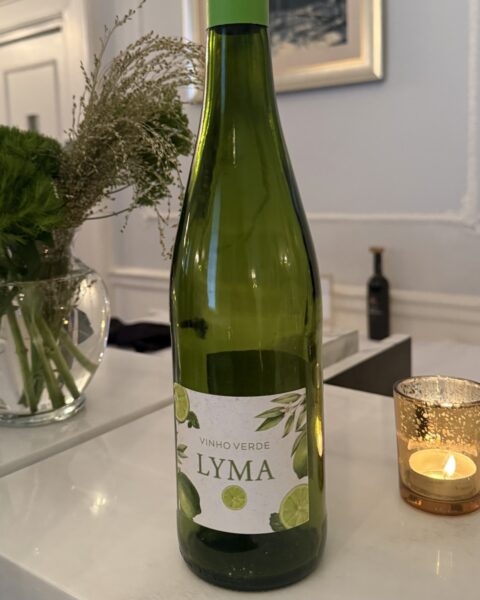
From northwestern Portugal, the 2025 Lyma White introduced the country’s fresher, lighter styles. Made entirely from Loureiro and sitting at just 10% ABV, this was a delightfully refreshing wine.
Notes of green apple, lime zest and bay leaf were complemented by a delicate spritz or Pet-nat. Light-bodied, with bright acidity and a lively finish, it was as delicious as it was refreshing.
2023 Quinta da Pellada Encruzado | Dão
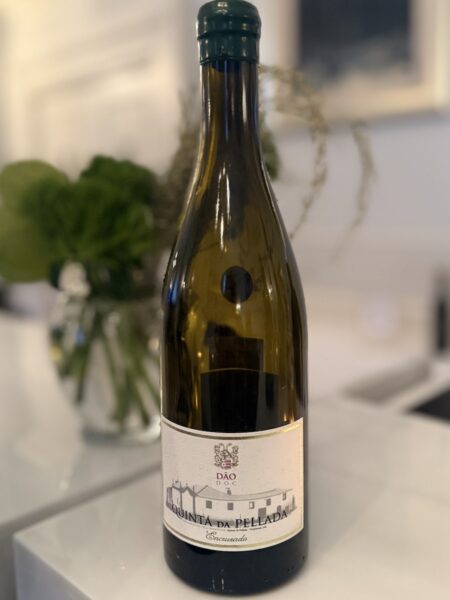
Moving inland to Dão, the 2023 Quinta da Pellada Encruzado showcased one of Portugal’s most distinctive white grapes. This beautifully structured, mineral-driven wine reminded me of Chardonnay, with its creamy texture, well-integrated oak and crisp acidity. Yet its savoury, herbal character gave it a personality all its own.
I imagine this wine paired with a creamy seafood risotto, where the texture and acidity would complement the dish’s richness.
2023 Coccinela Red | Lisboa
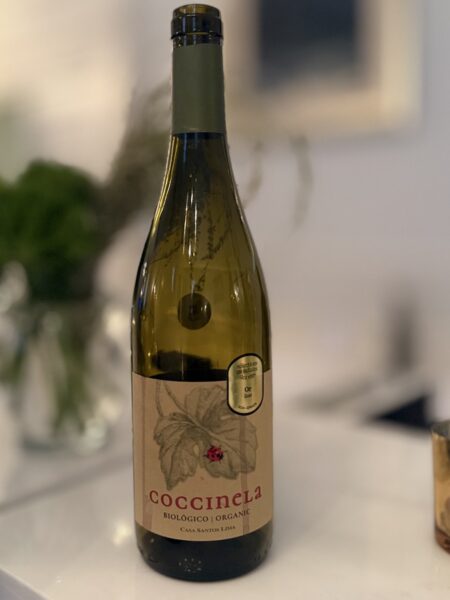
From Lisboa, the 2023 Coccinela Red by Casa Santos Lima is an organic wine made entirely from Caladoc, a crossing of Grenache and Malbec. Although not indigenous to Portugal, its inclusion shows Portuguese producers’ willingness to experiment beyond traditional varieties.
Deep ruby in colour, the wine revealed sour cherry and herbal notes. Bright acidity and soft tannins made for an approachable, easy-drinking red with plenty of appeal.
2023 Ravasqueira Encantado Red | Alentejo
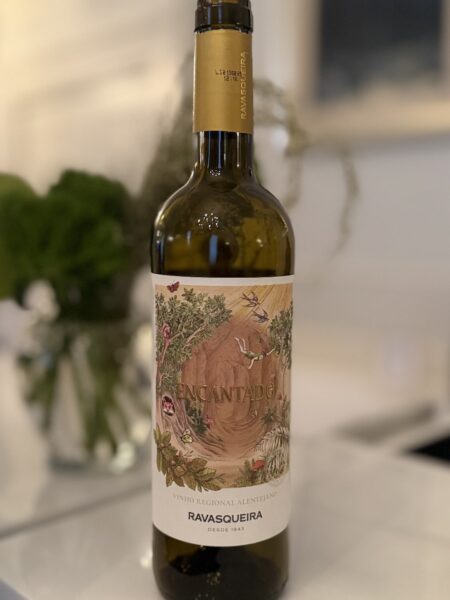
Further south, the 2023 Ravasqueira Encantado Red represented Alentejo and was made from a blend of Syrah, Touriga Franca, and Alicante Bouschet. The region is also known for preserving traditional winemaking techniques, including vinhos de talha, wines fermented and aged in large clay amphorae.
Deep purple in the glass, the wine offered aromas of dark fruit, pepper and spice. The palate was generous, with juicy, jammy fruit supported by a polished structure. Full-bodied and richly flavoured, this wine is made for grilled meats, where smoky, charred flavours complement its ripe fruit and spice.
2023 Meandro Red | Douro
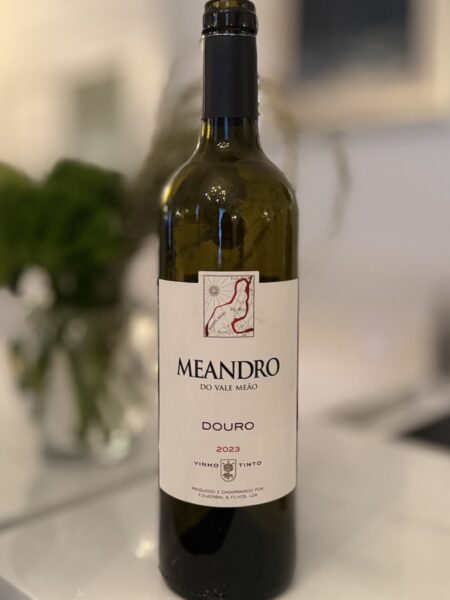
Finally, we explored the Douro, one of Portugal’s most celebrated wine regions. While renowned for Port, the Douro has also established an impressive reputation for dry table wines.
The 2023 Meandro from F. Olazabal & Filhos was my favourite wine of the flight. The blend is led by Touriga Nacional and Touriga Franca, with smaller proportions of Tinta Roriz, Tinta Barroca, Baga and Alicante Bouschet. The estate’s winemaking approach includes traditional foot-treading in granite lagares, followed by maturation in French oak.
The nose offered peppery spice, fruitcake and lovely nuances of clove and vanilla. Medium- to full-bodied, with fine-grained tannins and a focused structure, the wine was well composed and will likely develop further complexity with age.
If there’s one thing this masterclass reinforced, it’s that Portugal deserves a closer look. Its wines offer an intriguing combination of tradition, innovation and a strong sense of place. And while Port may have established the country’s international reputation, the still wines offer plenty of impressive reasons for wine lovers to pay attention.