
Gredos Vivo Platform champions the role of vineyards in
sustainable land management
The initiative calls for mountain viticulture to be recognised as a tool for protecting the land, preserving the landscape and helping prevent wildfires.
Dani Landi and Fernando García, from Comando G winery; Telmo Rodríguez, from Viñas Viejas de Pegaso; Carlos Casillas, chef at Barro restaurant; Juanan Martín, from Rico Nuevo winery; wine critic Luis Gutiérrez; and other leading wine and gastronomy professionals from the area are behind the platform.
To cultivate is to care; a cultivated Gredos is a living Gredos.” This is the principle behind the launch of the Gredos Vivo Platform, an initiative committed to the future of the Sierra de Gredos and driven by leading professionals from the wine and gastronomy sectors, including Dani Landi and Fernando García, from Comando G winery and co-presidents of the Gredos Vivo Platform; Carlos Casillas, chef at Barro, the Michelin-starred restaurant in Ávila; Telmo Rodríguez, from Viñas Viejas de Pegaso and vice-president of the platform; Juanan Martín, from Rico Nuevo winery; and Luis Gutiérrez, Robert Parker Wine Advocate’s Spanish wine reviewer, among others.
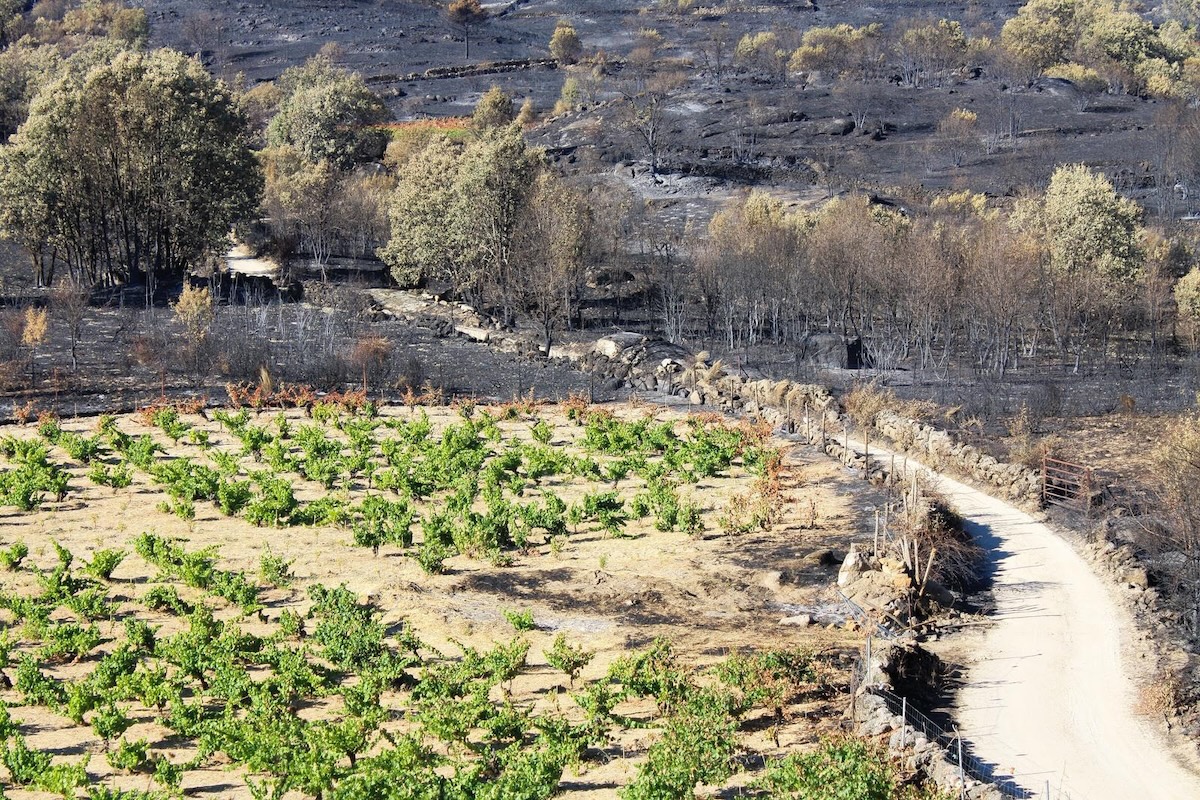
The Sierra de Gredos is particularly vulnerable to wildfires, a situation that has been exacerbated in recent decades by rural depopulation and the loss of agricultural land. Against this backdrop, the platform aims to establish mountain viticulture as a tool for preserving the landscape, curbing soil erosion and acting as a natural barrier against wildfires.
“We firmly believe in the value of vineyards as a cornerstone of Gredos’ mosaic landscape, rural regeneration and wildfire prevention,” says Dani Landi, president of the initiative. As its first course of action, the Gredos Vivo Platform will focus its efforts on supporting the nearly twenty wineries affected by the recent wildfires “so that no one is left behind,” Landi explains. “We will also promote initiatives to support the sector and encourage vineyard cultivation that respects the environment and is integrated into ecosystem planning,” he adds.
“For years, we have seen how fire reminds us of the importance of thinking about the environment around us. Every fire, every disaster pushes us to come together and work as one. Today, this platform makes more sense than ever. Fire will return, and I hope that when it does, we will be better prepared and will have done the work our vineyards and countryside need,” says Telmo Rodríguez.
Over recent weeks, work has been underway — and continues — to define the platform’s organisation and areas of action, with the aim of creating an agile and effective structure capable of becoming a source of support for the region and for all those involved in its conservation.
“As a chef, my work is inseparable from the primary sector around us. When our fields burn, so do future bottles of wine, cuts of meat and vegetables that tell the story of a place. It is not the past planted by our grandparents that is burning; it is the future we are trying to build,” says Carlos Casillas, chef at Barro.
The Gredos landscape: a heritage shaped over generations
The Sierra de Gredos is home to one of the most distinctive agricultural landscapes on the Iberian Peninsula, shaped by centuries of coexistence between nature and human activity. Vineyards, olive groves, terraces, traditional paths and dry-stone walls form a mosaic of great environmental, cultural and scenic value that has defined the identity of the region for generations.
However, the progressive abandonment of agricultural and forestry land is leading to the accumulation of vegetation and increasingly continuous areas of natural fuel, raising both the risk and intensity of wildfires.
For the Gredos Vivo Platform, reversing this trend means restoring recognition and value to those who continue to care for the land and acknowledging the role vineyards play beyond wine production, “because the vineyards of Gredos are a weapon loaded with the future. A future we must protect so that our children can go down to the river beneath the shade of the trees. What we sow and care for is what remains,” concludes Landi.