

Savor Quality from Europe Highlights How
European Heritage Can Shape the Future
EU co-funded campaign showcases protected wine and
olive oil traditions rooted in culture, sustainability and certified quality.
The from Europe campaign, co-funded by the European Union, is bringing the stories behind Europe’s protected wine and olive oil traditions to Canadian audiences. As agricultural regions work to preserve traditional knowledge in the face of climate change, evolving consumer preferences and growing interest in authentic travel experiences, two European producer organizations are demonstrating how cultural heritage can remain a powerful force for the future.
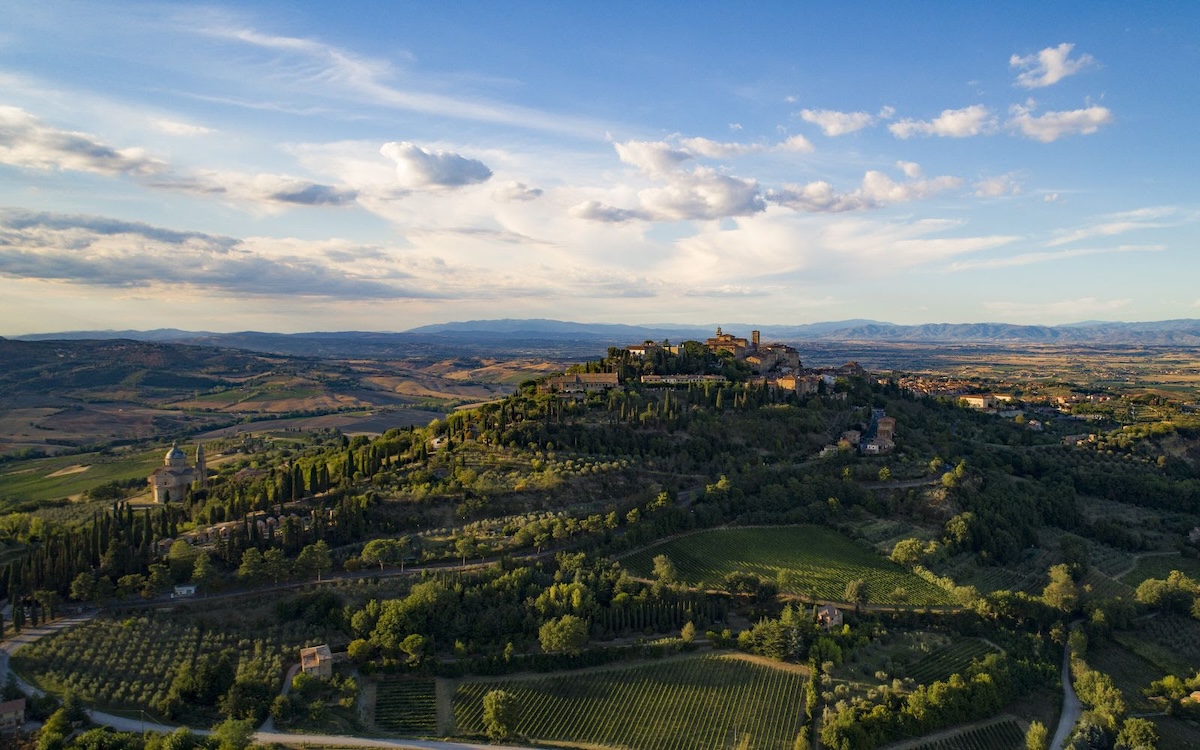
The Consorzio del Vino Nobile di Montepulciano and Associazione Produttori Olivicoli Toscani (APOT) are advancing initiatives that celebrate the history, craftsmanship and cultural significance of Vino Nobile di Montepulciano DOCG and Tuscan PDO and PGI extra virgin olive oils. These protected designations are part of the European Union’s quality schemes, which identify products whose qualities, reputation or production are closely connected to a specific place of origin. Through their work in Tuscany, Italy, the two organizations offer compelling examples of how local traditions contribute to a broader European story of certified quality, sustainability and agricultural stewardship.
Their initiatives reflect a growing European commitment to treating heritage not as something fixed in the past, but as a living asset that supports sustainability, tourism, rural economies and community identity.
Culture Vino Nobile di Montepulciano DOCG offers one example of how a protected European wine can express the history, culture and identity of its place of origin. DOC and DOCG wine designations are recognized within the European Union’s PDO, or Protected Designation of Origin, quality scheme.
In 2026, the Consorzio launched celebrations marking the 400th anniversary of the birth of Francesco Redi, the renowned 17th-century physician, scientist and poet whose work Bacco in Toscana helped establish Montepulciano’s place within Europe’s literary and cultural heritage.
The commemorative celebrations, which continue through 2027, bring together producers, cultural institutions, scholars and visitors to explore the role Vino Nobile di Montepulciano has played in shaping the cultural identity of one of Europe’s most historic wine-producing regions. Events will culminate in an international exhibition dedicated to Redi and its enduring cultural influence.
For the Consorzio, the anniversary offers an opportunity to share a broader European story about the relationship between wine, culture and place.
“Celebrating Francesco Redi means recognizing the cultural roots of a denomination that continues to look ahead, strengthened by a shared identity and a vision that brings together quality, sustainability, promotion and hospitality,” shares Andrea Rossi, President of the Consorzio del Vino Nobile di Montepulciano.
Celebrating Europe’s Wine Heritage Through A European Wine Story That Crossed the Atlantic
The influence of European wine has extended beyond the continent for centuries, illustrating the long-standing cultural exchange between Europe and North America.
Among the historical admirers of Vino Nobile di Montepulciano was Thomas Jefferson, a Founding Father and the third president of the United States, who regularly ordered the wine and included it among the European wines he appreciated.
This connection is explored in the recently published book The Taste of Freedom: Thomas Jefferson, Vino Nobile di Montepulciano and the Birth of the United States by Francesco Clementi and Antonio Gaudioso.
Presented during the 250th anniversary year of the United States Declaration of Independence, the ‘ Taste of Freedom ‘ book examines how wine serves as a cultural bridge between Europe and North America, illustrating how traditions, ideas and everyday customs traveled across borders long before the modern era of global tourism.
“The presentation of this book is a moment of great cultural significance for our area because it connects the history of our area with a central figure in the Western political tradition,” says Rossi. “The connection with the celebrations marking the 400th anniversary of Francesco Redi’s birth further strengthens the significance of this initiative, which opens an institutional and cultural pathway aimed at telling the story of Montepulciano through its most authentic identity, shaped by history, wine and an international outlook.”
Protecting More Than 2,500 Years of European Olive-Growing Tradition
While wine represents one celebrated chapter of Europe’s agricultural story, olive oil reaches even further into the continent’s history and remains a defining element of Mediterranean culture.
Olive trees have been cultivated in parts of Europe since ancient times, with evidence of olive growing in the Italian peninsula dating back to the Etruscan civilization. Olives and olive oil were valued as food, trade goods and essential household products, establishing traditions that would become deeply connected to European agriculture and Mediterranean culture.
Archaeological discoveries continue to reveal the importance of olive cultivation in ancient Mediterranean life, including evidence of olive trade dating back more than 2,500 years.
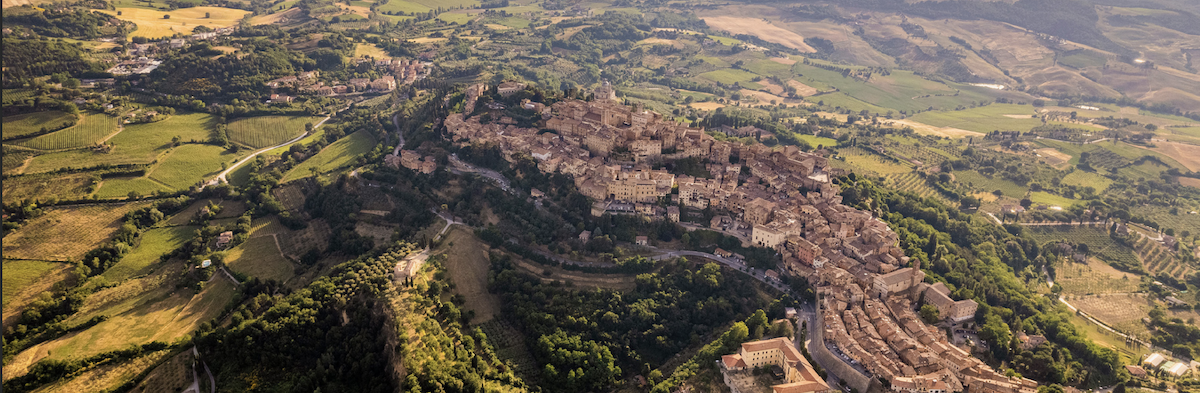
Montepulciano
Across centuries, olive growing endured successive civilizations and economic change while helping shape some of Europe’s most recognizable agricultural landscapes. Generations of European growers also preserved a remarkable diversity of olive varieties, creating an agricultural legacy closely connected to local territories and growing conditions.
Today, APOT helps protect and strengthen this European agricultural legacy through research, technical support, sustainability initiatives, quality programs and grower advocacy. Working with producers of Tuscan PDO and PGI extra virgin olive oils, the organization provides a strong example of the role producer organizations can play in safeguarding agricultural knowledge while helping farmers respond to contemporary challenges.
APOT supports producers as they address climate change, biodiversity protection, water management and rising production costs. This work reflects a growing recognition across Europe that preserving agricultural heritage depends not only on protecting traditions, but also on ensuring they remain economically and environmentally sustainable.
“For APOT, preserving the legacy of Tuscan olive growing represents a responsibility that looks to the present and, above all, to future generations,” notes the team at APOT. “Olive growing is an integral part of Tuscany’s agricultural, cultural, and landscape heritage, the result of skills and practices developed and passed down over centuries. Our commitment is to help protect this heritage by supporting olive growers, enhancing the value of their work, and promoting an olive-growing model capable of facing future challenges. In fact, preserving tradition does not simply mean conserving the past, but creating the conditions for this heritage to continue to evolve, keeping intact the values and identity that make Tuscan olive growing unique and recognizable worldwide.”
A Living European Legacy
Why European Heritage Matters to Canadian Audiences
At a time when Canadian consumers are increasingly interested in authenticity, provenance and the stories behind the products they purchase, the Savor Quality from Europe campaign is helping build awareness of the European Union’s PDO and PGI quality schemes and the logos that identify certified products. PDO, or Protected Designation of Origin, applies where the full production process is tied to a defined geographic area. PGI, or Protected Geographical Indication, identifies products whose quality, reputation or other characteristics are linked to a place, with at least one production stage occurring there.
European wines and olive oils offer more than distinctive flavours. They represent generations of agricultural expertise, regional craftsmanship and traditions that connect food and wine with the cultural identity of their places of origin.
The initiatives led by the Consorzio and APOT provide tangible examples of how European producers are preserving these traditions while adapting to contemporary environmental, economic and social challenges.
Their work also reflects conversations taking place in wine and agricultural regions around the world, including Canada, where producers are working to protect agricultural landscapes, strengthen regional identity and create visitor experiences grounded in place.
For both organizations, the goal extends beyond preserving history. It is about ensuring that future generations continue to benefit from the expertise, traditions and rural communities that have shaped Europe’s agricultural identity over centuries.
A Living European Legacy
Although wine and olive oil have followed distinct historical paths, both illustrate how Europe’s agricultural traditions continue to evolve while remaining firmly connected to place, people and cultural identity.
The initiatives led by the Consorzio del Vino Nobile di Montepulciano and APOT demonstrate how individual European regions and their products can contribute to a broader European story, one in which agriculture, culture and community continue to evolve together while remaining rooted in tradition.
Through investments in cultural preservation, education, sustainability and tourism, these two producer organizations are helping ensure that Europe’s wine and olive oil heritage remains a living legacy. Their work demonstrates how local traditions can contribute to a broader European story that continues to inspire consumers, support rural communities and preserve agricultural knowledge for future generations.
About Savor Quality from Europe
Savor Quality from Europe is a three-year campaign, co-funded by the European Union, that promotes EU quality schemes in Canada and the United States through Vino Nobile di Montepulciano DOCG and Tuscan PDO and PGI extra virgin olive oils.
Learn More
savorqualityfromeurope.eu

