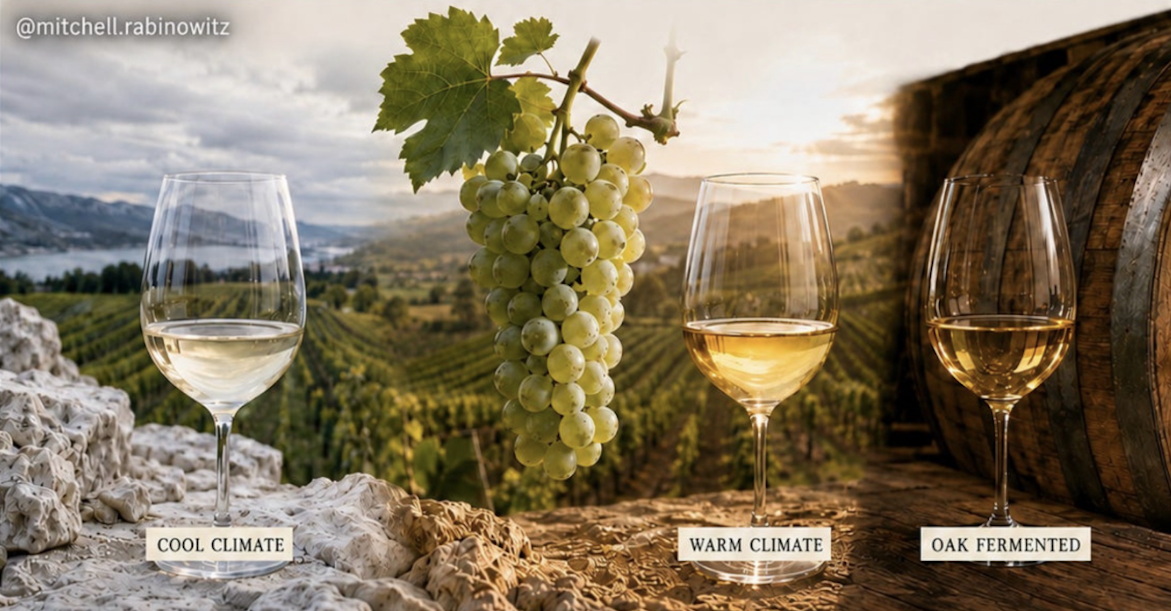
LEARNING ABOUT WINE: Why Cabernet Sauvignon Is Often Blended with Merlot
Replanting after the freeze helped establish the distribution of the two varieties found in modern Bordeaux.
Those differences begin with climate and vineyard soils.
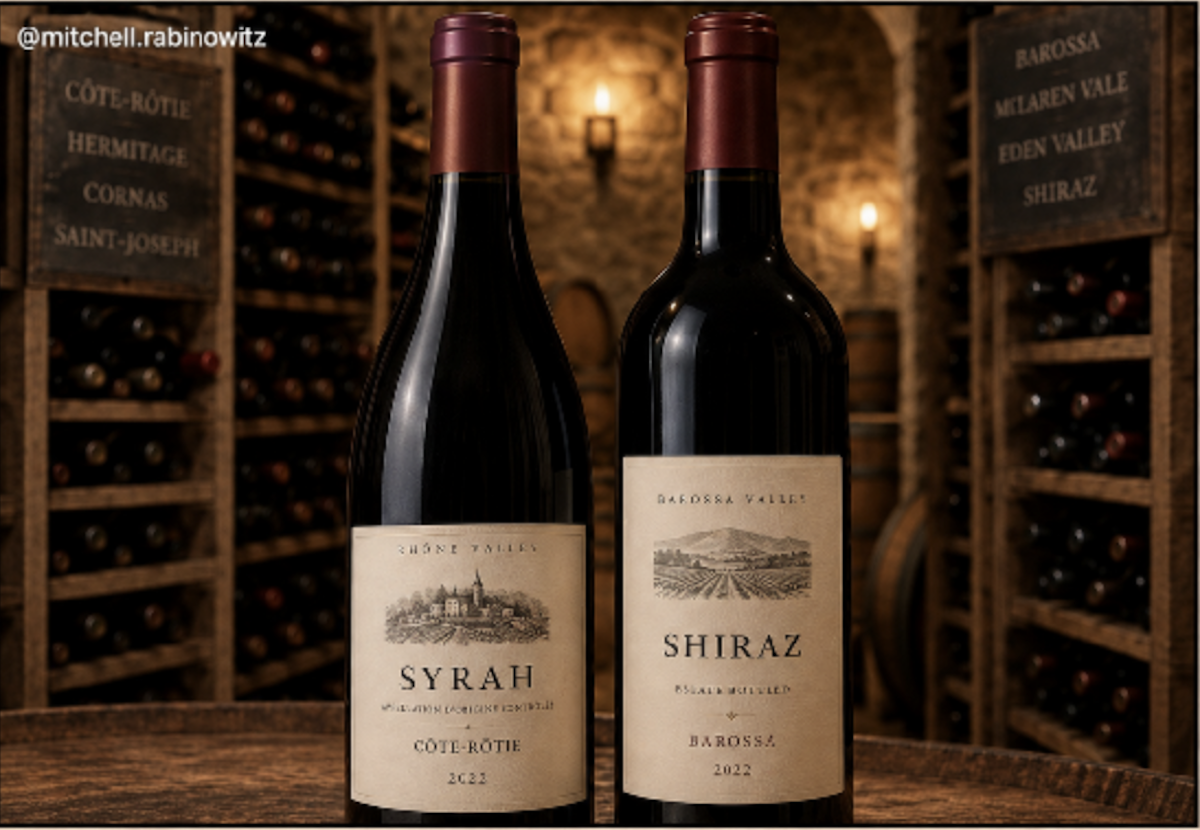
Syrah and Shiraz: How One Grape Acquired Two Names Syrah and Shiraz are the same grape. The difference is linguistic and often stylistic. When a producer chooses one term over the other, the choice can signal the tradition the producer has in mind and the kind of wine they intend to make. Syrah began in … Read more
Why Grape Varieties Came to Have Fixed Descriptions For much of European wine history, a buyer ordered Chablis or Sancerre; the grape names Chardonnay and Sauvignon Blanc usually remained unstated. Someone choosing Pauillac was expected to know that Cabernet Sauvignon would probably have an important role, although the label did not need to say so. … Read more
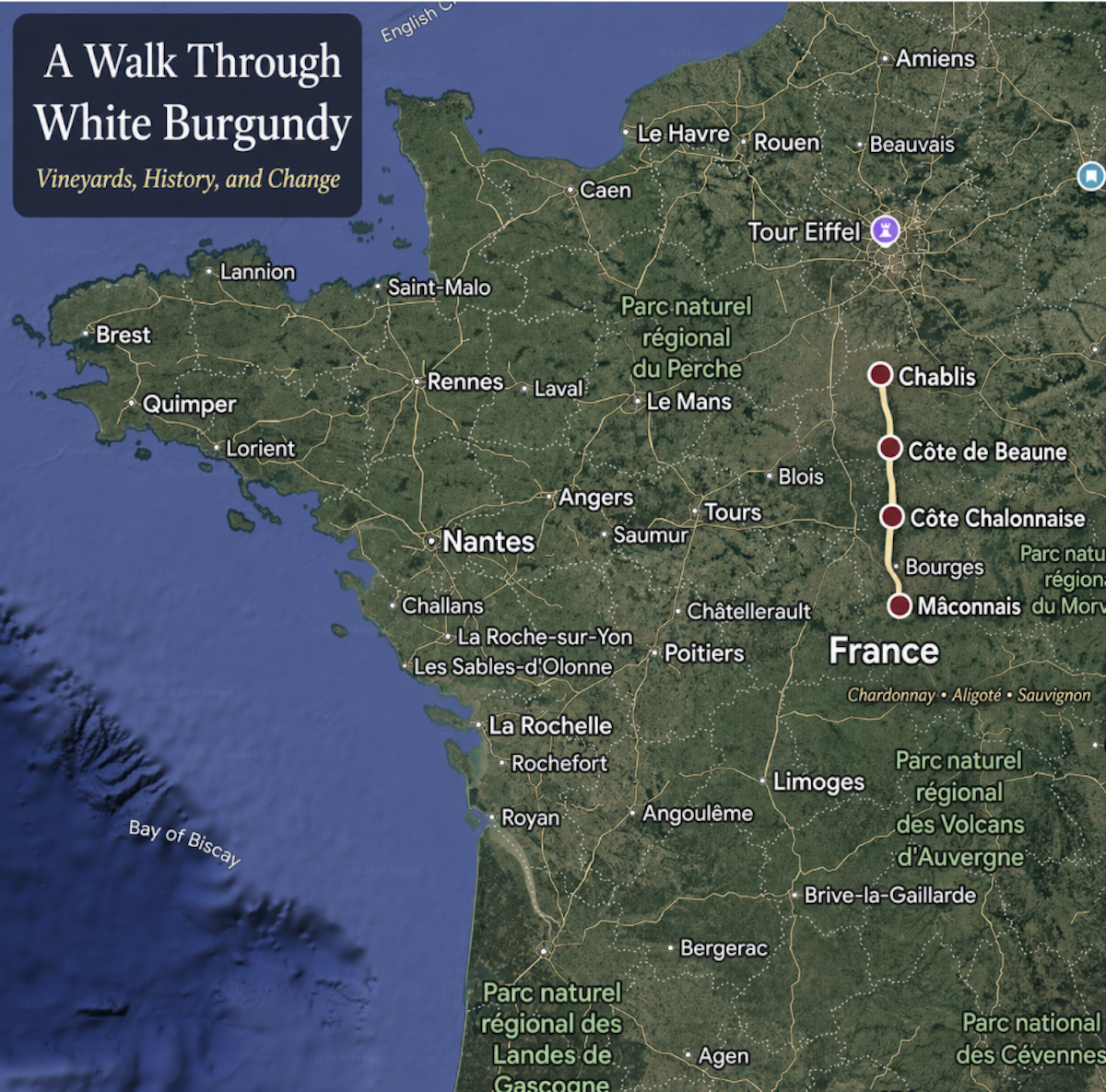
A Walk Through White Burgundy: Vineyards, History, and Change Vines were growing in Burgundy during the Gallo-Roman period, although the surviving evidence does not establish when they first arrived or which grapes were planted. By the early Middle Ages, vineyards had become important to religious communities and secular landowners because wine was required for worship, … Read more
Why Does Burgundy Have So Many Communes? Burgundy can be difficult for new wine drinkers because it asks them to understand places before grapes. In many wine regions, the label begins with a grape name, such as Cabernet Sauvignon, Chardonnay, or Pinot Noir. In Burgundy, the label often begins with a place: Bourgogne, Chablis, Gevrey-Chambertin, … Read more
Chablis: The History of Wine Production Chablis sits in northern Burgundy, in the Yonne along the Serein, geographically distinct from the Côte d’Or villages to the south. That position has always shaped the work. Chablis is cool, exposed, and vulnerable in ways that force wine production to be organized around risk as much as around … Read more
Wine Production in Fuissé: A History The village of Fuissé sits near the southern end of Burgundy’s limestone belt, where the vineyard land of the Côte d’Or and Côte Chalonnaise gives way, a few kilometers to the south, to the granitic terrain of Beaujolais. It is a small commune in the department of Saône-et-Loire, and … Read more
Ranking Albariño Producers: Where Do Ferreiro, Granbazán, and the Field Fit Albariño producers are often discussed together, but they are not all working from the same conditions or toward the same result. Some draw on old, low-yielding vines rooted in granite. Others depend on broader sourcing and aim for consistency across a larger range of … Read more
Albariño Across Rías Baixas Albariño is often introduced as a single Galician white wine: crisp, aromatic, coastal, and useful at the table. That description leaves out the local differences that shape the grape. Rías Baixas is divided into five subzones, and those subzones do not behave alike. Val do Salnés, O Rosal, Condado do Tea, … Read more